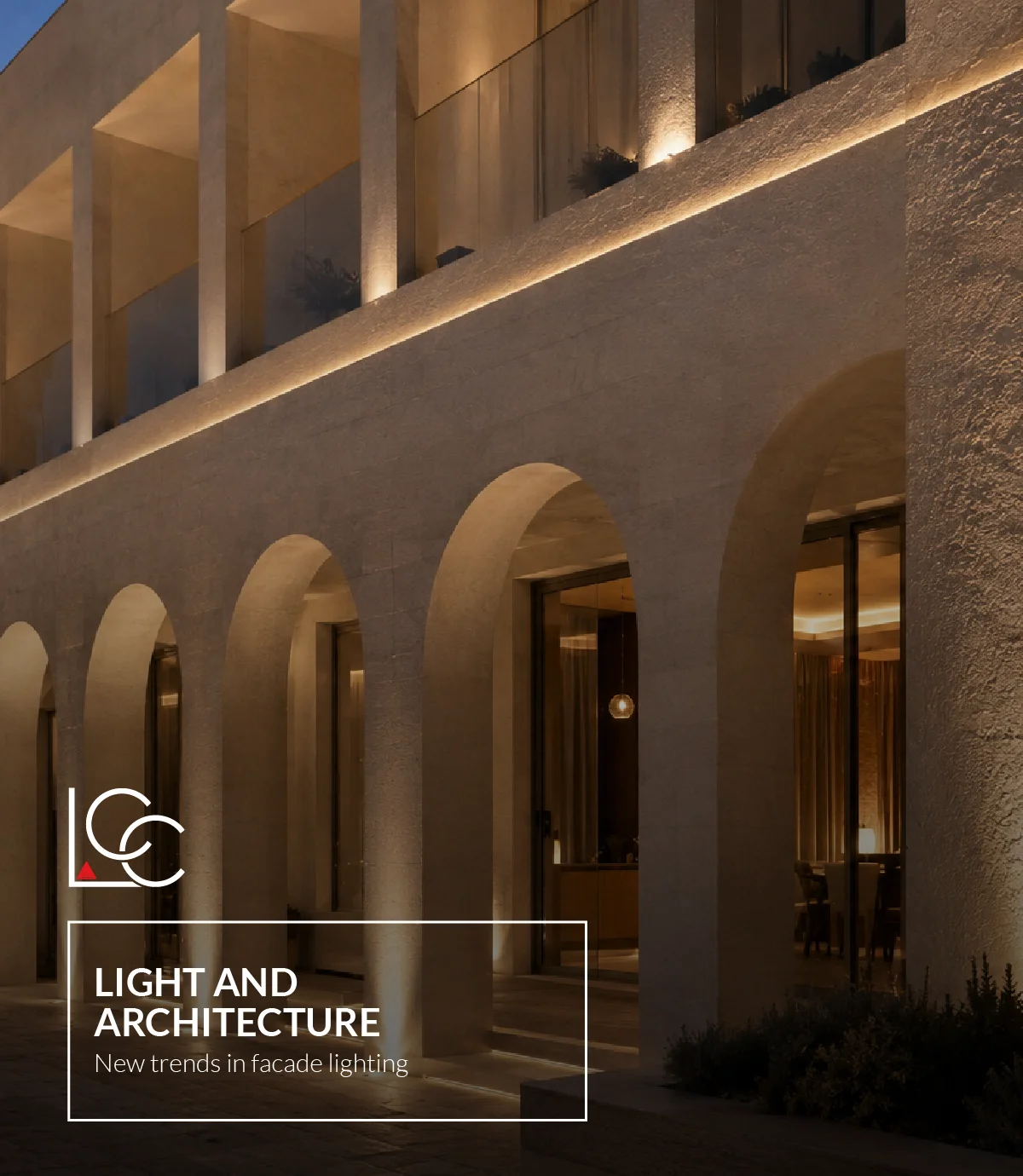
From illuminating the facade to designing perception
One of the most evident changes concerns the very role of light within architectural design.
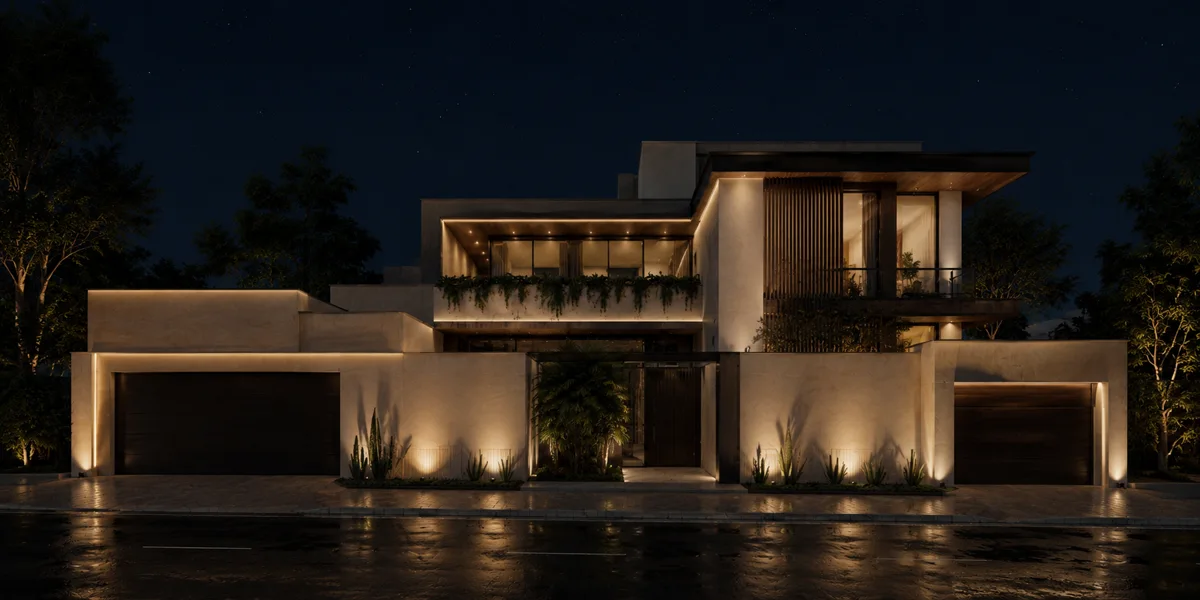
While exterior lighting was once often entrusted to visible projectors or fixtures, international trends are now moving toward increasingly integrated systems: miniaturized light sources, recessed coves, concealed profiles, and technical details designed to disappear within the architecture itself.
The goal is no longer to showcase the lighting fixture, but to create a luminous presence capable of interacting with volumes, surfaces, and proportions.
Light therefore stops being an applied element and becomes part of the architectural design itself.
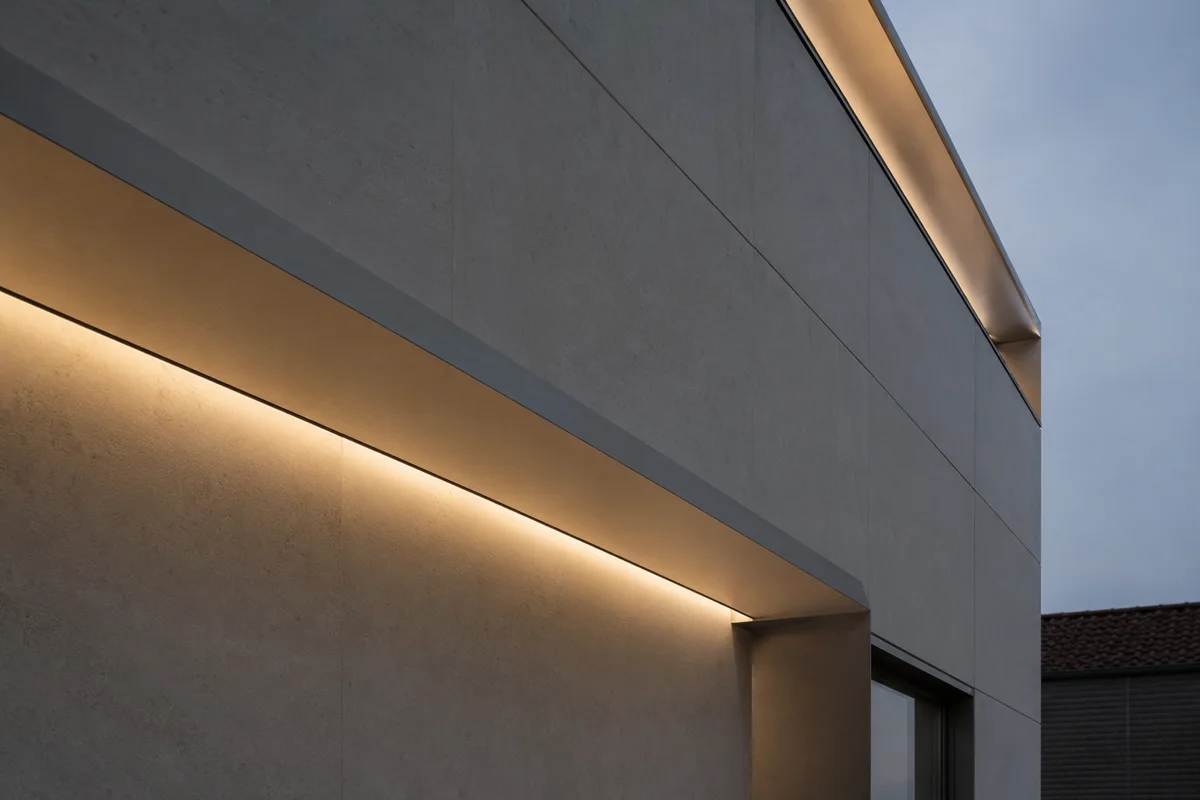
Arches, porticoes, and curved geometries
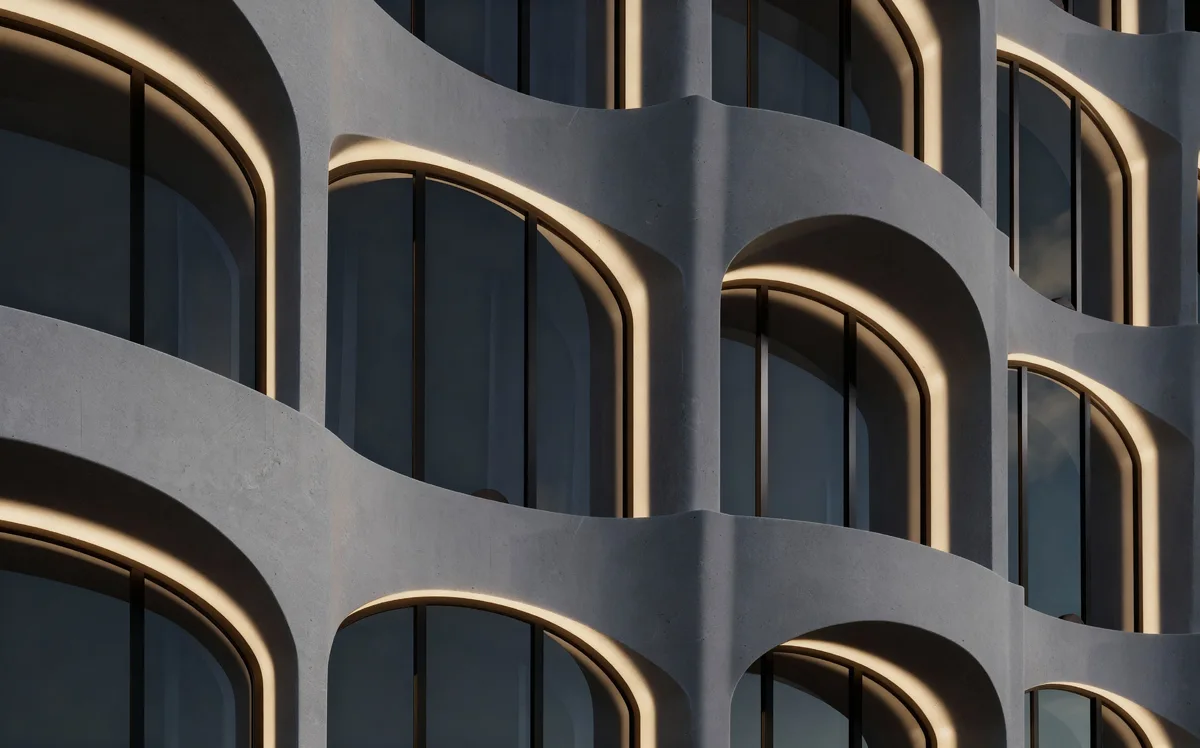
Among the architectural elements most enhanced by contemporary lighting design are arches, niches, porticoes, and curved geometries.
In hospitality architecture and high-end residences, light is increasingly used to accompany the depth of openings and pathways, emphasizing curves through indirect emissions or integrated lines of light.
In many Mediterranean and international projects, the lighting intentionally remains hidden within the architectural structures, allowing only the luminous effect to emerge. The result is a softer and more sophisticated reading of the facade, where shadows and volumes gain depth without relying on excessive scenographic effects.
Even in more minimalist contemporary architecture, miniaturized linear profiles are directly integrated into curved geometries to highlight the building’s design through continuous and uniform light.
Balconies, loggias, and architectural depth
The contemporary facade is no longer interpreted as a two-dimensional surface, but as a composition of depths, solids, and voids.
For this reason, balconies, loggias, and terraces are taking on an increasingly central role from a lighting design perspective as well.
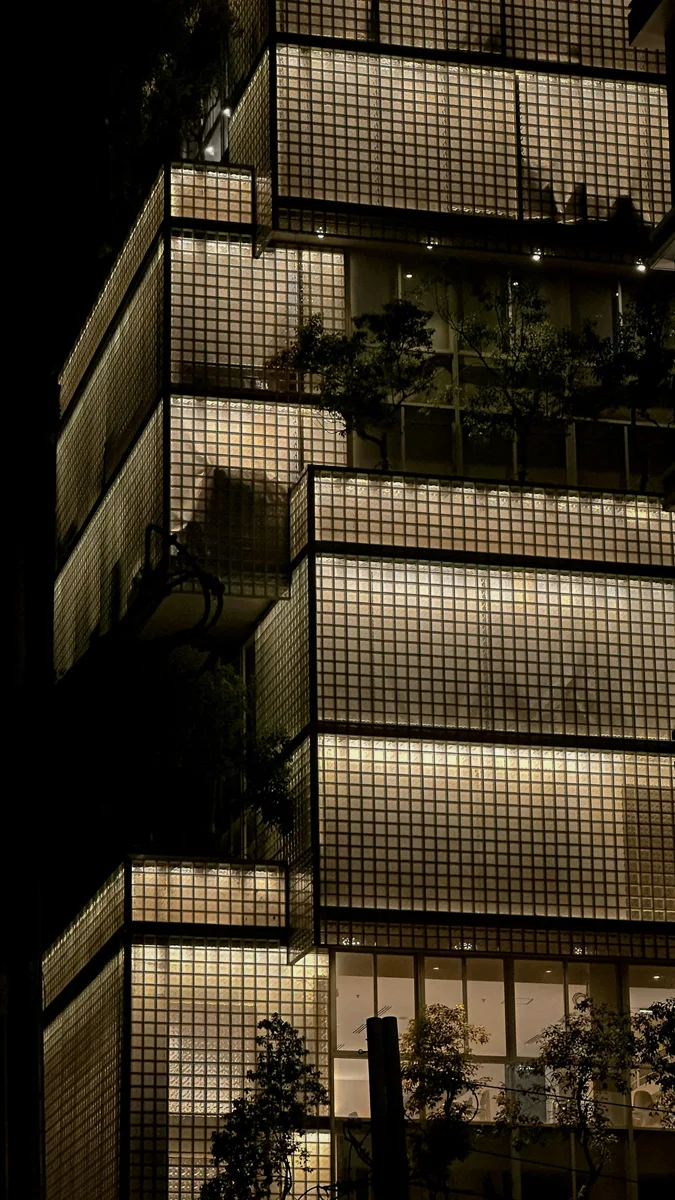
Integrated lighting within railings, indirect emissions beneath balconies, luminous coves inside loggias, and concealed lighting details within exterior ceilings help create more layered and three-dimensional facades.
In many hotels and residential complexes, illuminated loggias become rhythmic elements that define the elevation during evening hours, transforming the building into a balanced and dynamic luminous composition.
The return of materiality
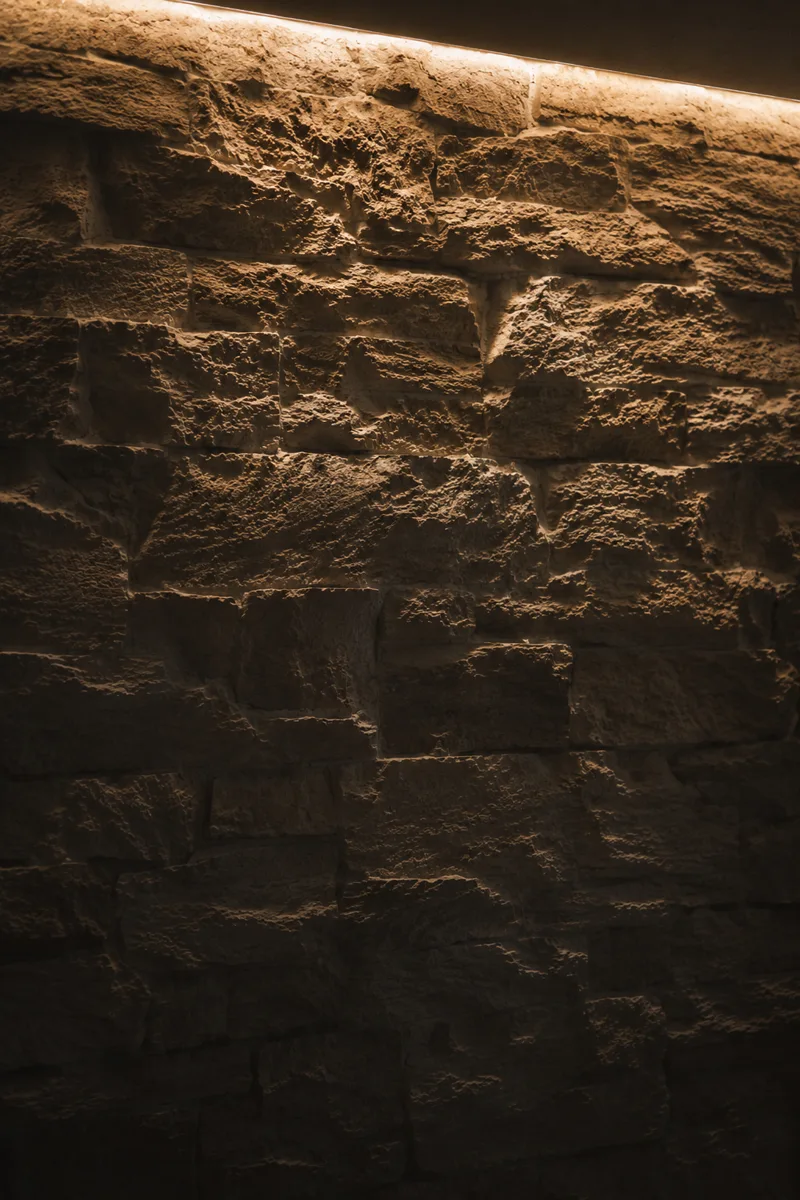
At the same time, there is a strong return to materiality.
Natural stone, exposed concrete, brick, textured surfaces, and three-dimensional claddings are now enhanced through grazing light and wall washing techniques designed to emphasize textures, irregularities, and depth.
Light no longer flattens the surface, but amplifies its material characteristics.
This approach allows for more vibrant and dynamic facades, where shadows and variations in light contribute to creating a more authentic perception of architecture.
This language is increasingly present both in contemporary architecture and in restoration or enhancement projects involving historic buildings, where light is used with greater sensitivity and control.
Verticality, rhythm, and integrated lines of light
Contemporary urban architecture is also showing growing attention toward the use of light as a tool to emphasize verticality and modularity.
Hotelsoffice buildings, and vertically developed facades increasingly use integrated lines of light within structural uprights, brise-soleils, or architectural joints to create rhythm and visual continuity.
Light tends to emerge directly from the structure of the building itself, eliminating the separation between technical element and architecture.
Rather than pursuing decorative effects, the aim is to achieve a lighter, more orderly, and more coherent nighttime perception aligned with the buildin's architectural language.
Less spectacle, more atmosphere
The aesthetic language of architectural lighting is also evolving toward more measured solutions.
After years dominated by invasive RGB effects and fully illuminated facades, international trends are now moving toward softer scenarios, warmer color temperatures and more controlled light levels.
Warm white light, generally ranging between 2700K and 3000K, remains one of the most widely used choices in hospitality architecture and high-end residential projects thanks to its ability to deliver visual comfort, elegance, and material continuity.
Light is therefore returning to atmosphere rather than theatrical effect.
Control, precision, and sustainability
Growing attention toward sustainability and environmental quality is also redefining the way exterior lighting is designed.
Glare control, reduction of light spill, intelligent scene management, and optical precision are becoming central aspects of contemporary lighting design.
More and more projects integrate:
- dimmable systems
- programmable lighting scenarios
- shielded optics
- dynamic light intensity management
- reduction of light pollution
The quality of an illuminated facade no longer depends on the quantity of light emitted, but on the ability to use light with precision and coherence in relation to the architecture.
The facade as a nighttime identity
During the day, architecture communicates through materials, geometries, and proportions.
At night, it is light that defines its presence.
For this reason, facade lighting is taking on an increasingly strategic role within contemporary architectural design: not as a simple technical component, but as an element capable of extending the building’s identity beyond sunset.
Well-designed lighting does not add something to architecture… it allows architecture to continue existing even during the night.