Modern bedroom lamps: creating a balanced lighting foundation
The first step in designing proper bedroom lighting is to create a soft and diffused general light, capable of illuminating the space without feeling harsh or intrusive.
One of the most common solutions in contemporary interior design is indirect lighting integrated into suspended ceilings, created using hidden LED profiles inside coves or recessed light channels.
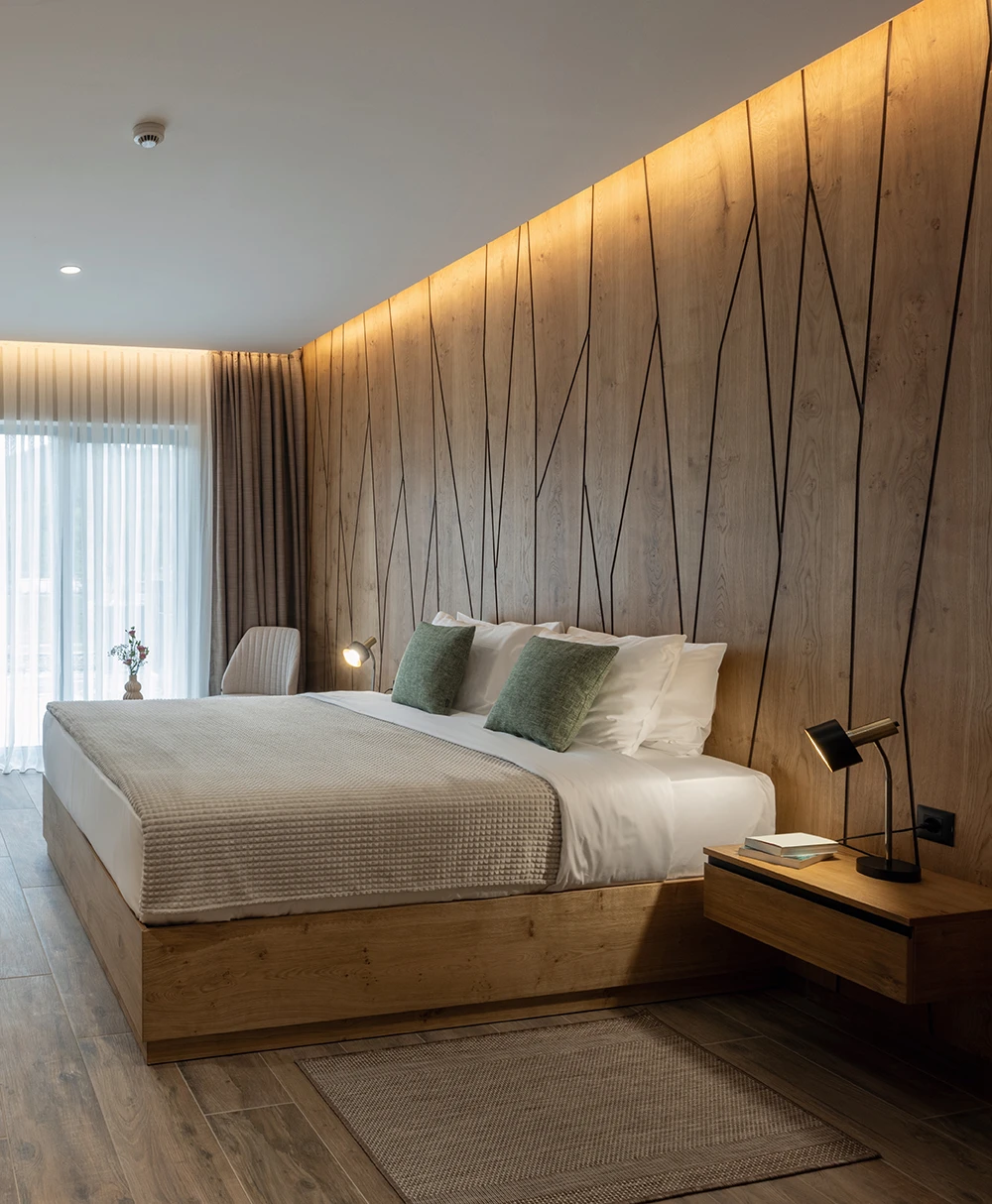
The light source itself is not directly visible. Instead, it illuminates the ceiling, which then reflects the light back into the room. The result is a soft, even, and relaxing illumination, perfect for a space dedicated to rest.
In more modern projects, linear LED profiles can be used to cross the ceiling or follow the perimeter of the room. Beyond providing light, they become a true architectural feature that enhances the geometry of the space.
This luminous base represents the structural layer of the room's lighting design. Once it is established, it becomes easier to work with more specific lighting points.
Modern bedroom lamps: choosing a statement light
Even in a bedroom designed with diffused lighting and functional illumination, it can be interesting to introduce a statement light fixture, a lamp apable of attracting attention and giving identity to the space.
This does not necessarily mean choosing a large or flashy suspension lamp. The real goal is to create a strong visual element that remains coherent with the space, in dialogue with furniture, materials, and the proportions of the room.
In most cases, the main light feature is positioned in one of three places: at the center of the room, above the bed or on both sides of the headboard
Central ceiling lamp: when the room allows it
In bedrooms with sufficiently high ceilings and generous dimensions, a central ceiling lamp can become the visual focal point of the room.
Le Modern lamps or suspension lights designed for this purpose often feature light and graphic shapes, frequently created with luminous rings, slim structures, or suspended diffusers.
The key is to avoid fixtures that are too bulky or visually heavy. Bedrooms always benefit from a sense of visual lightness, especially above the sleeping area.
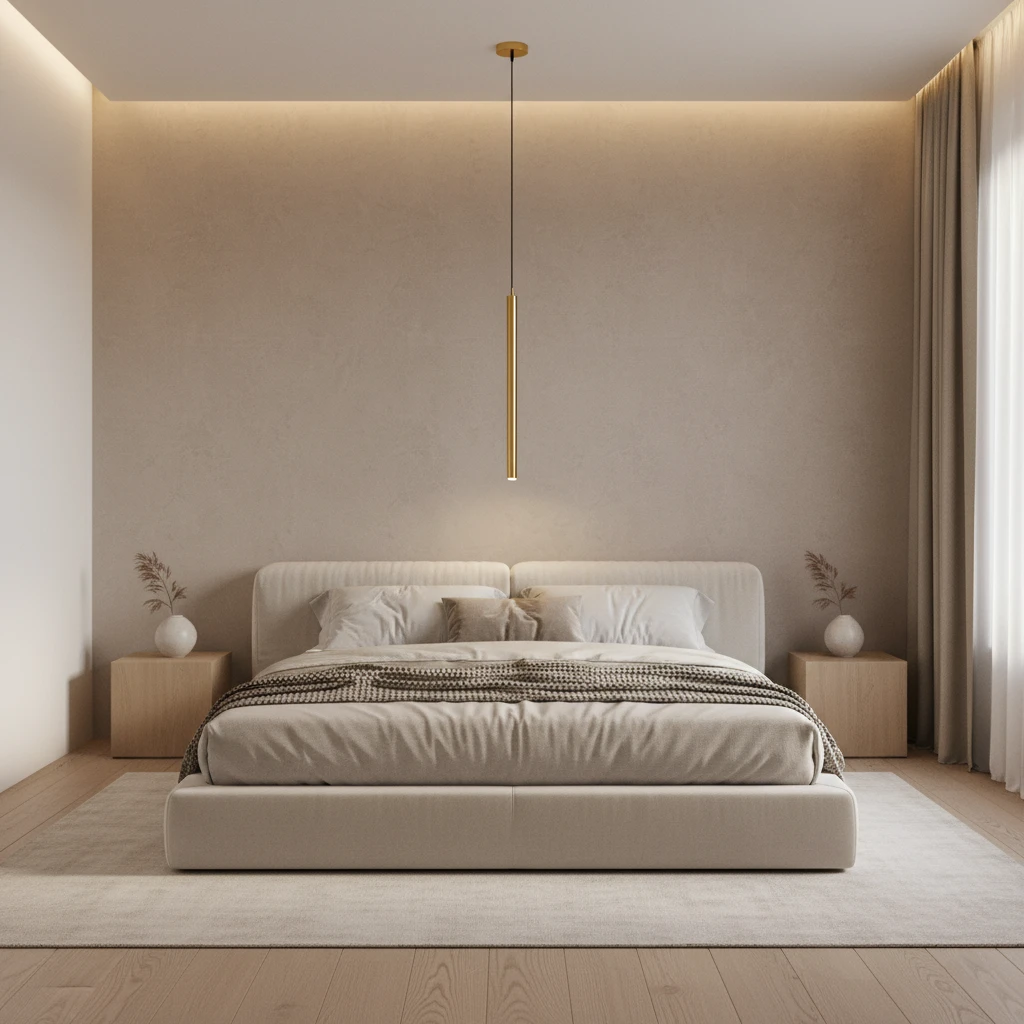
In these cases, the ceiling lamp should not be the room’s only light source. Instead, it should function as a scenographic element, supported by a diffused lighting base such as indirect lighting or well-distributed spotlights.
Suspension or pendant lamps beside the bed: an increasingly popular solution
One of the most common solutions in contemporary projects is replacing traditional bedside lamps with suspension or pendant lights on each side of the bed.
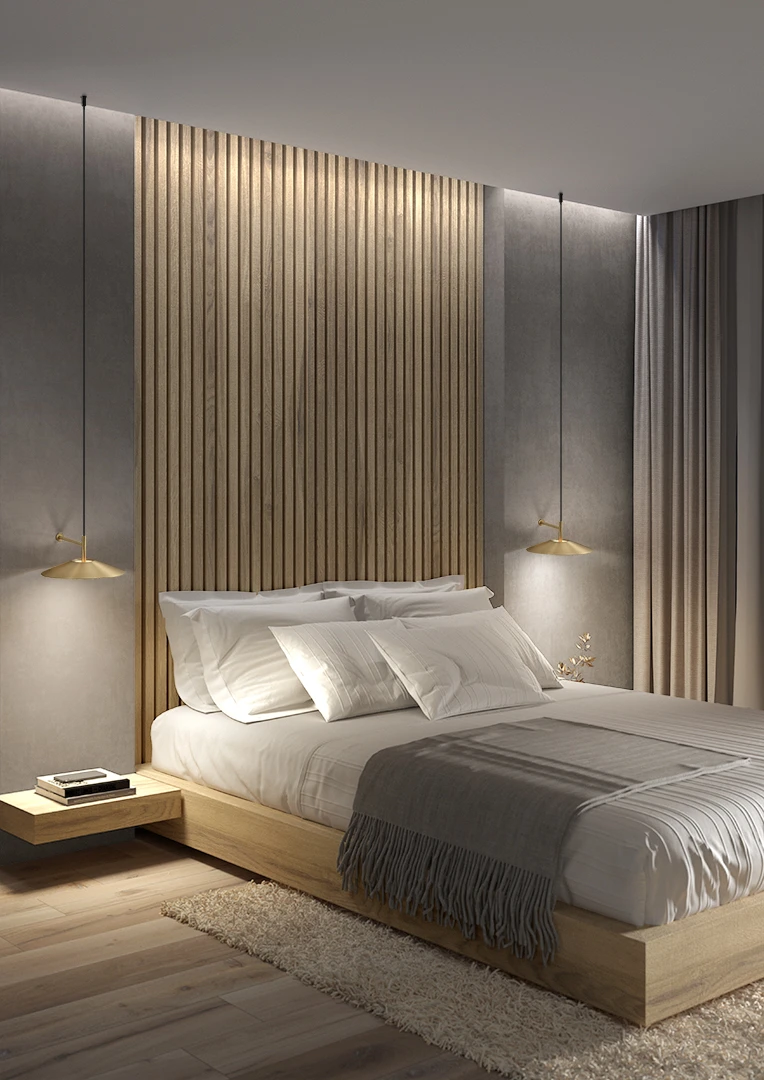
This choice offers several advantages: it frees space on the nightstands, creates a cleaner and more architectural look, and integrates lighting more naturally into the room's design.
Suspension lights can be thin and minimal or feature small decorative diffusers depending on the style of the space.
From a design perspective, the height of the fixture is crucial. The lamp should hang low enough to properly illuminate the nightstand surface, but not so low that it becomes intrusive or glaring when lying in bed.
A decorative light to enhance the room
In larger bedrooms or in spaces with particularly refined design, the main lighting element can become a true decorative feature.
This could include:
- a multi-light pendant above the bed
- a sculptural lamp placed at the center of the room
- a large decorative wall lamp on the headboard wall
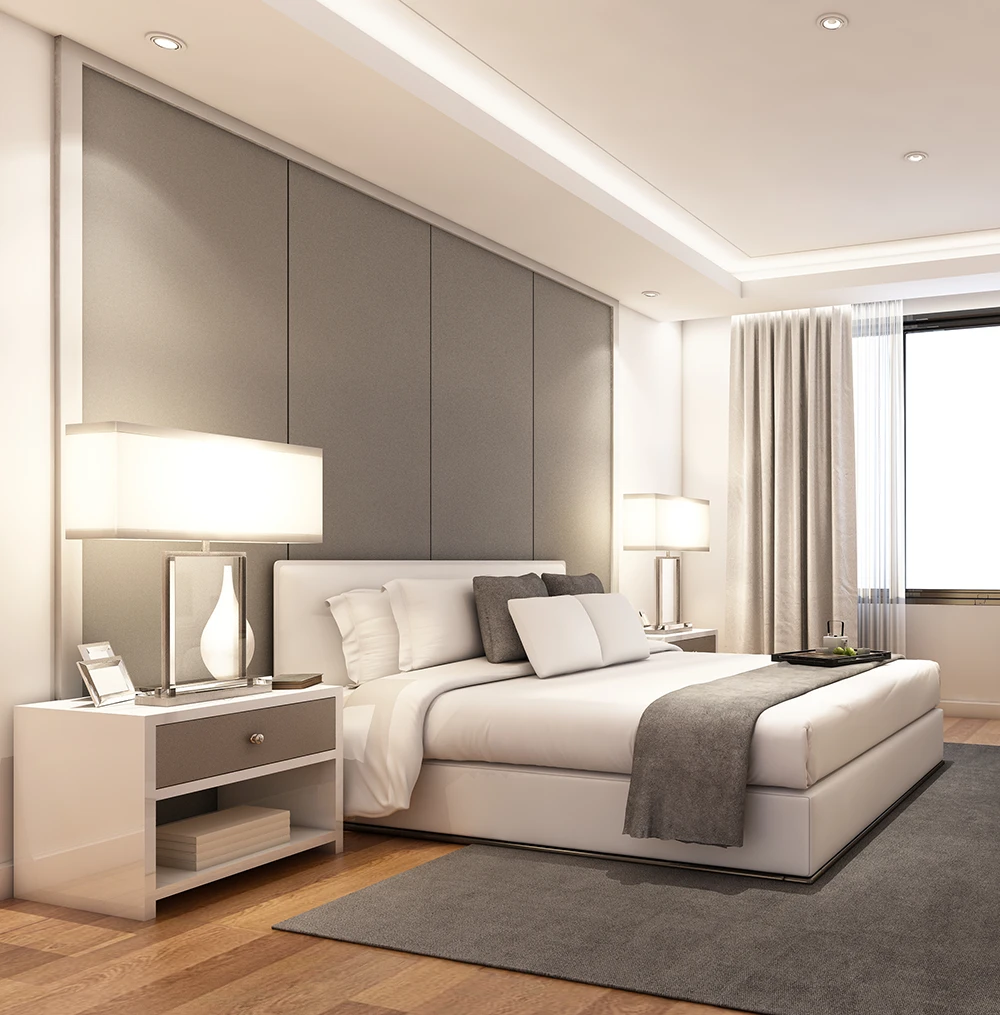
In these cases, lighting contributes not only to illumination but also to the spatial perception of the room. Shadows, reflections, and the diffusion of light become part of the architectural design.
Balance is essential. A statement lamp works best when supported by a discreet and carefully designed lighting base.
Modern bedroom lamps: the importance of functional lighting
The bedroom is an intimate space, but that does not mean it should only be lit with soft ambient light. Certain activities require more focused lighting.
The first example is the bedside area.
Classic table lamps remain very popular, but in contemporary projects they are often replaced by more integrated solutions such as: wall-mounted lamps with adjustable light, pendant lights beside the bed or recessed directional spotlights in the ceiling
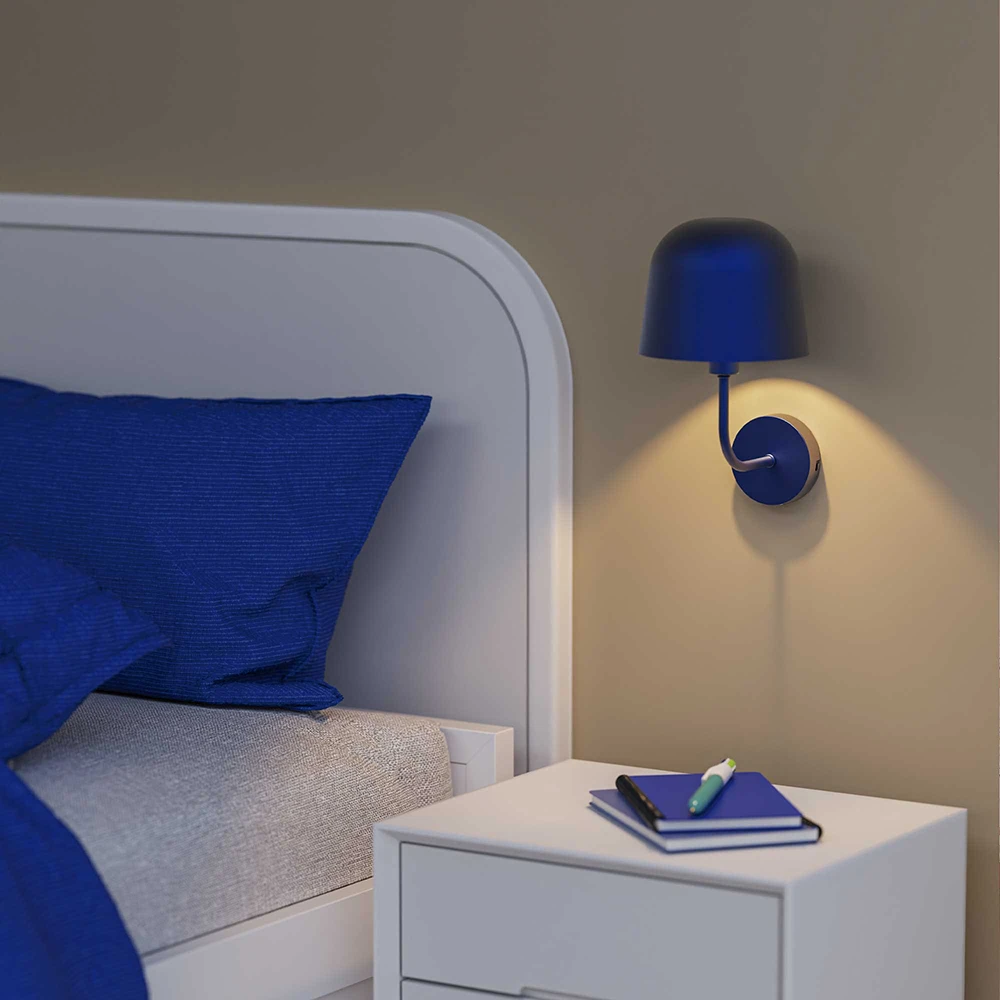
These solutions help free the nightstand surface while providing perfect reading light without disturbing a partner.
Another frequently underestimated element is the wardrobe or walk-in closet area. Here, a brighter and more uniform light is important in order to distinguish colors and fabrics accurately.
Recessed spotlights or linear LED profiles inside wardrobes are very effective solutions for improving the functionality of the space.
Modern bedroom lamps: creating atmosphere with light
Beyond functional lighting, a bedroom also needs light sources that help build atmosphere.
This is where decorative wall lamps and indirect lighting come into play.
Some commonly used solutions in modern projects include LED strips behind the headboard creating a soft halo of light, grazing light on textured walls such as wood or wallpaper or decorative wall lamps that diffuse light across the walls.
These elements are not meant to increase the amount of light, but rather to create visual depth and make the space feel more welcoming in the evening.
The possibility of adjusting light intensity with dimmers is particularly useful in the bedroom, as it allows the lighting to adapt to different moments of the day.
Modern bedroom lamps: here's some LuceControCorrente products
We offer our customers a range of design products developed and manufactured in Italy, created from our experience as artisans and lighting manufacturers. Here are some products we have selected for bedrooms.
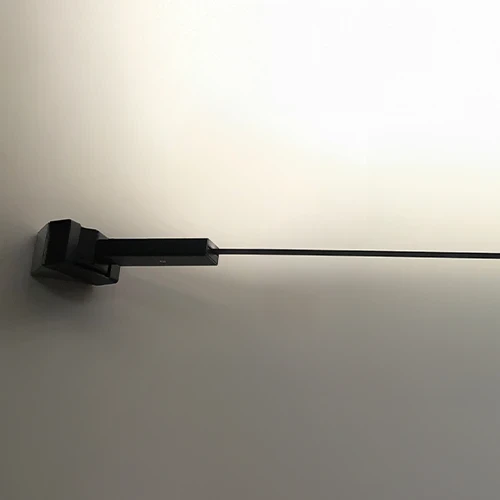
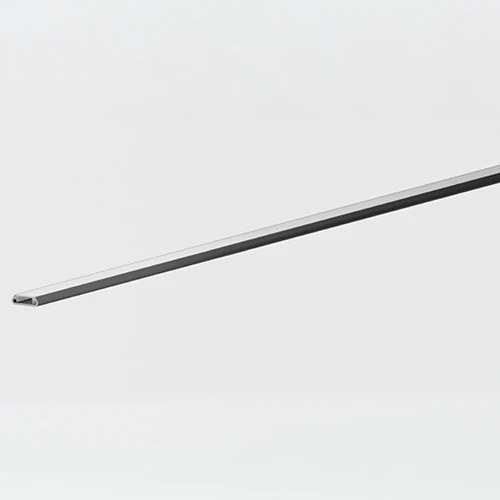
Let's start by talking about tensioned cable lighting, the perfect solution for illuminating a wooden beam ceiling or a bedroom with a high ceiling.
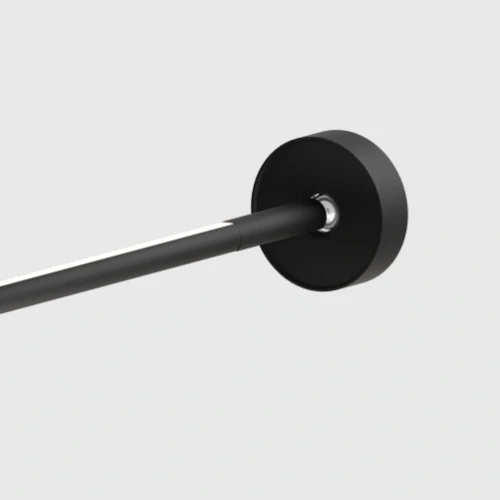
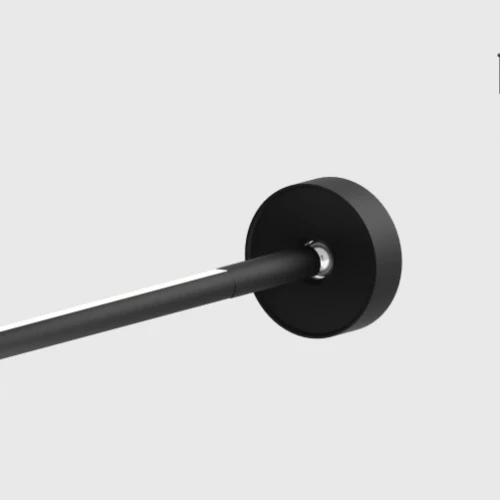
Often, the design solution for the bedroom is decorative pendant lights and ceiling lights, which add character without drawing attention away from the home's furnishings.
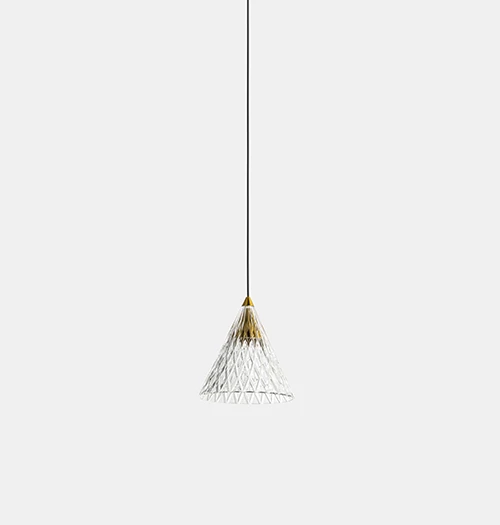
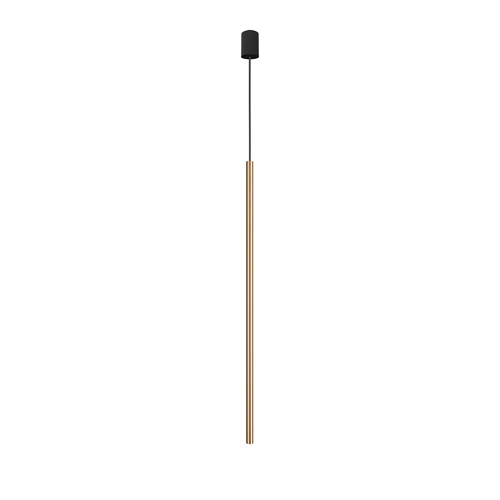
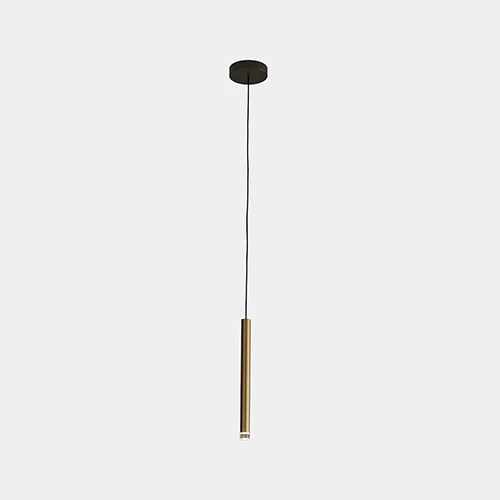
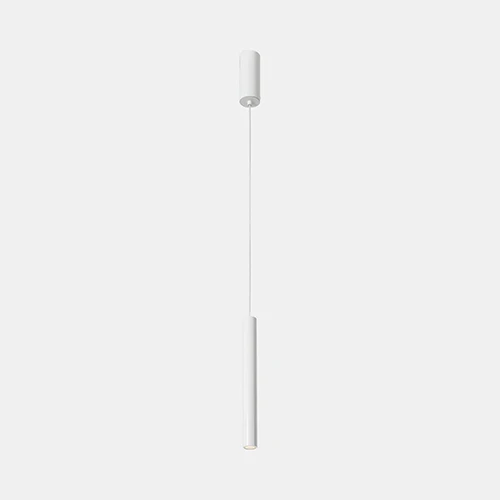
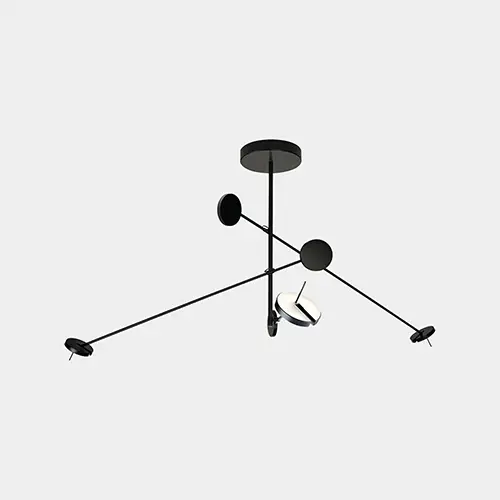

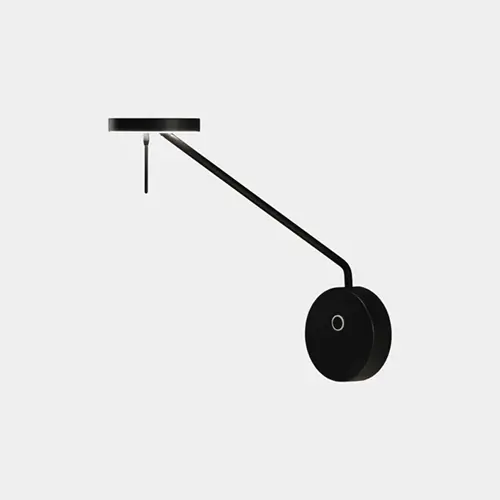
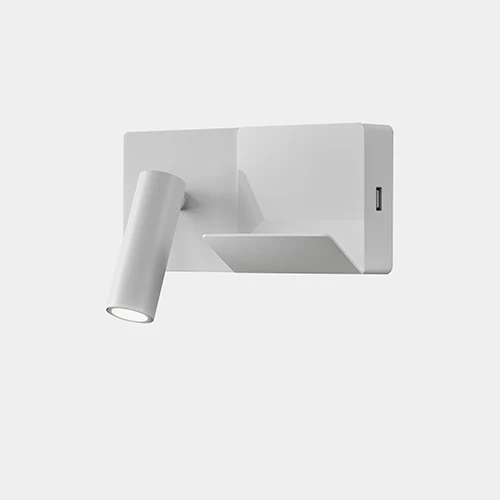
Decorative and modern wall sconces are also perfect for all bedrooms.
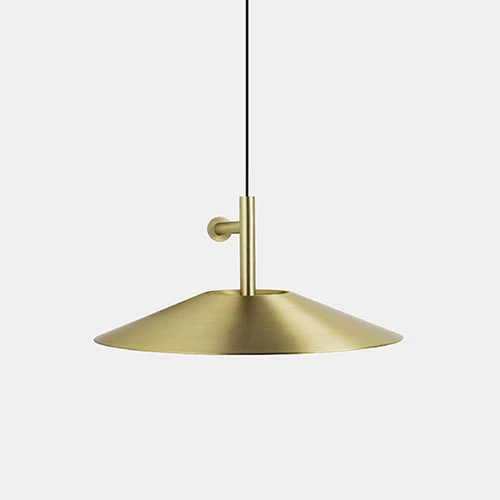
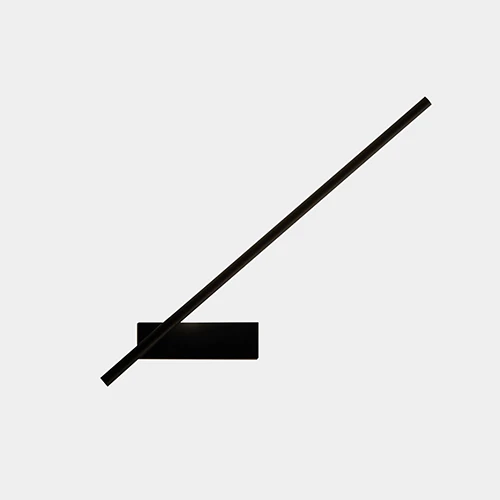
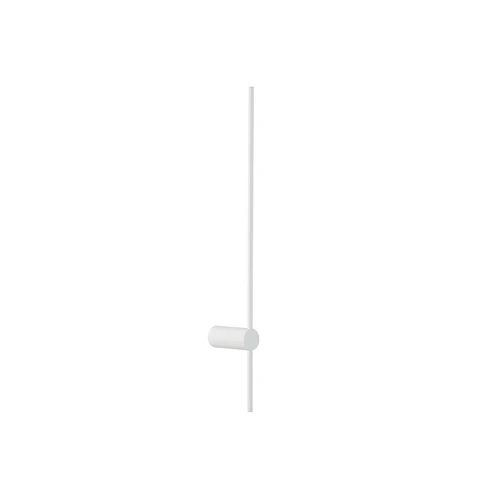
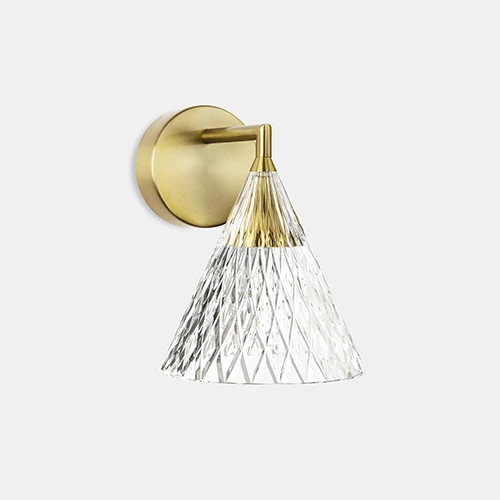
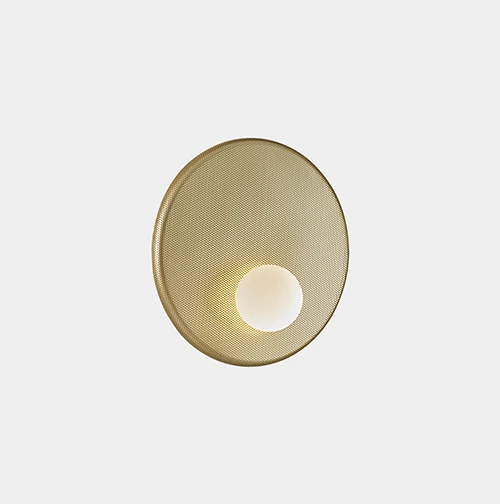
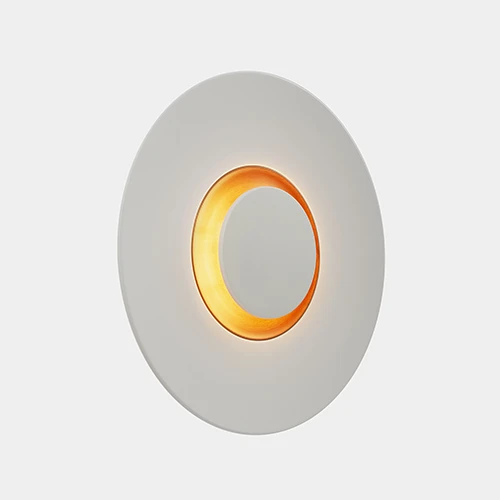
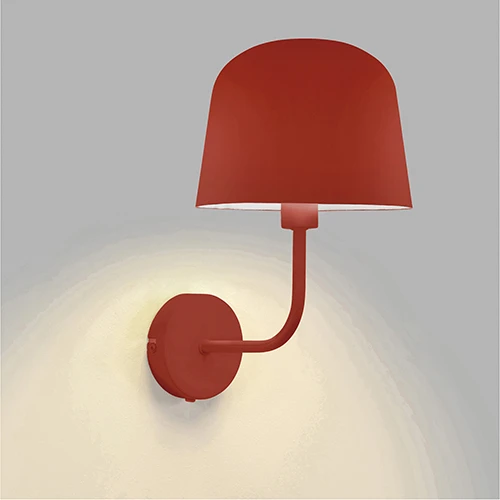
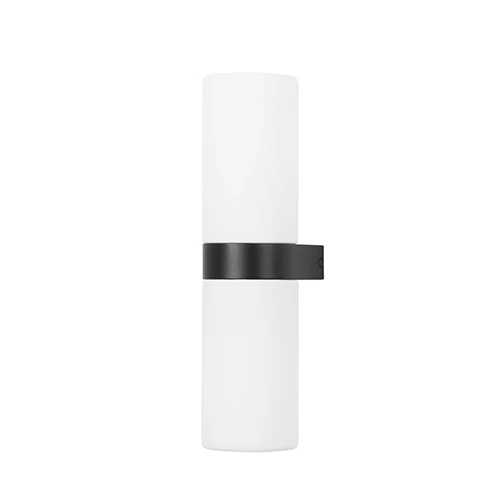
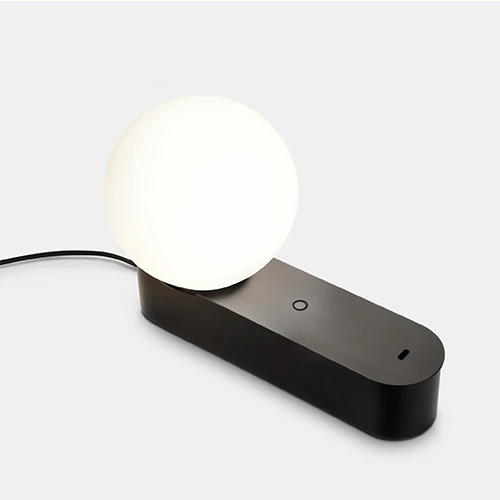
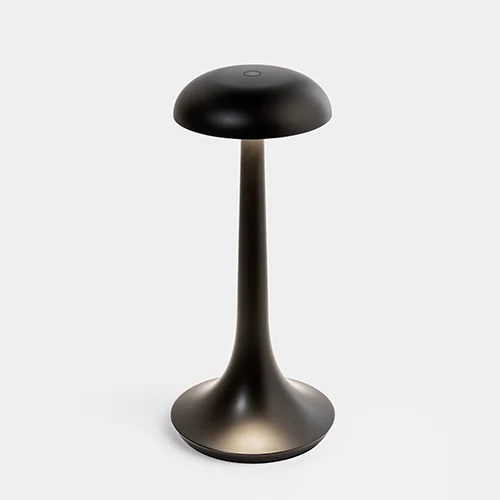
For bedside tables and reading corners, our table lamps and reading lamps are perfect.
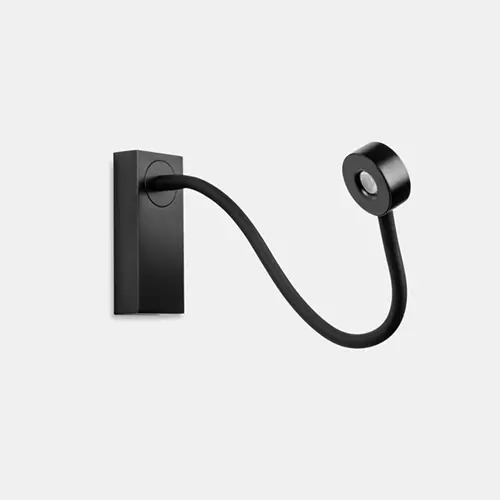
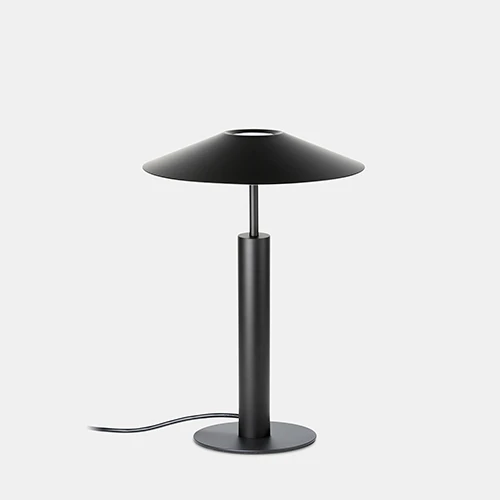
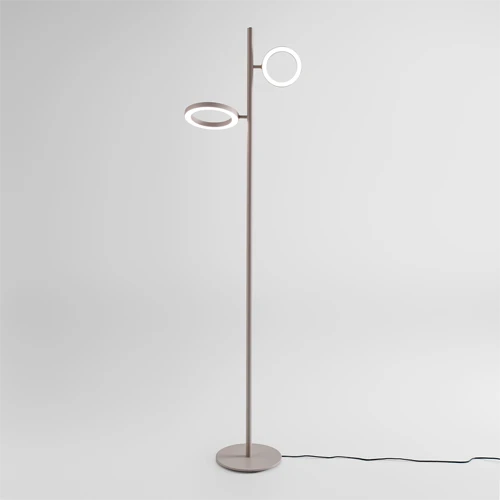
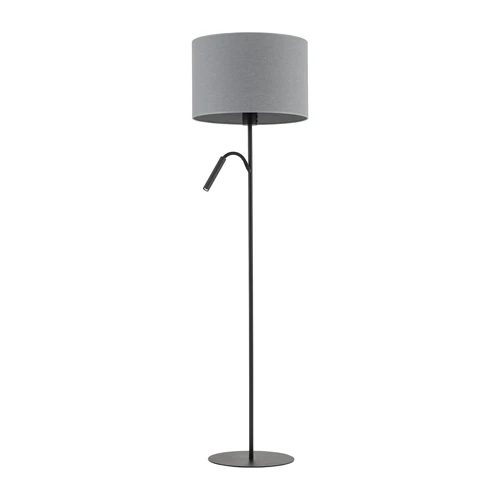
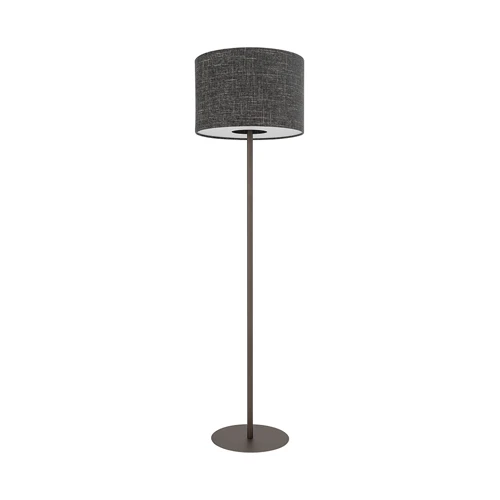
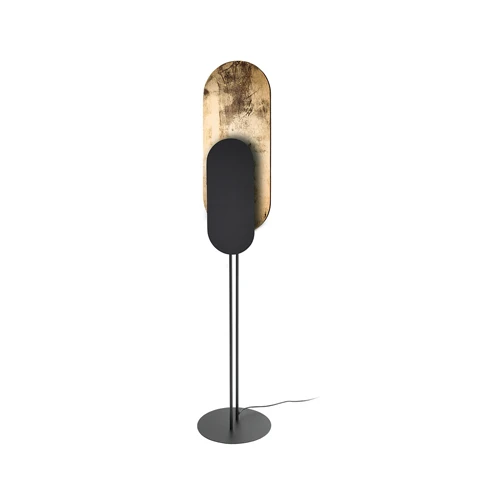
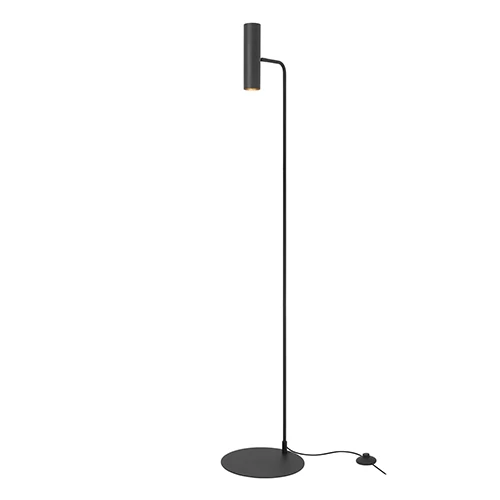
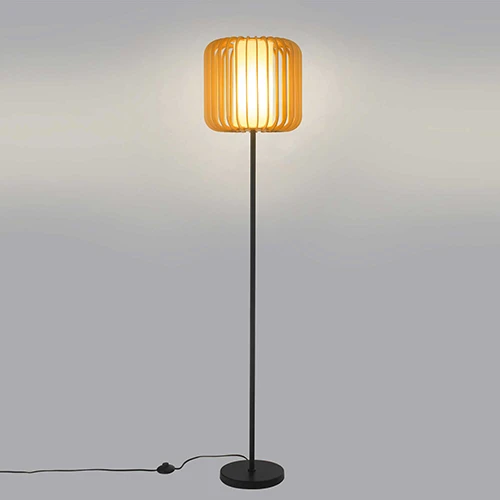
In the bedroom, a floor lamp can be a perfect decorative element.
Modern bedroom lamps: three styles and three different approaches
Every bedroom has different aesthetic characteristics. The choice of modern lamps should always dialogue with materials, proportions, and the overall style of the space. Let's look at three examples.
Contemporary minimal bedroom
Contemporary minimal bedrooms are characterized by clean lines, neutral palettes, and essential furniture.
In these contexts, lighting should remain tidy and discreet. The most effective solutions include: recessed LED profiles in the ceiling, precisely aligned spotlights and light pendant lamps beside the bed.
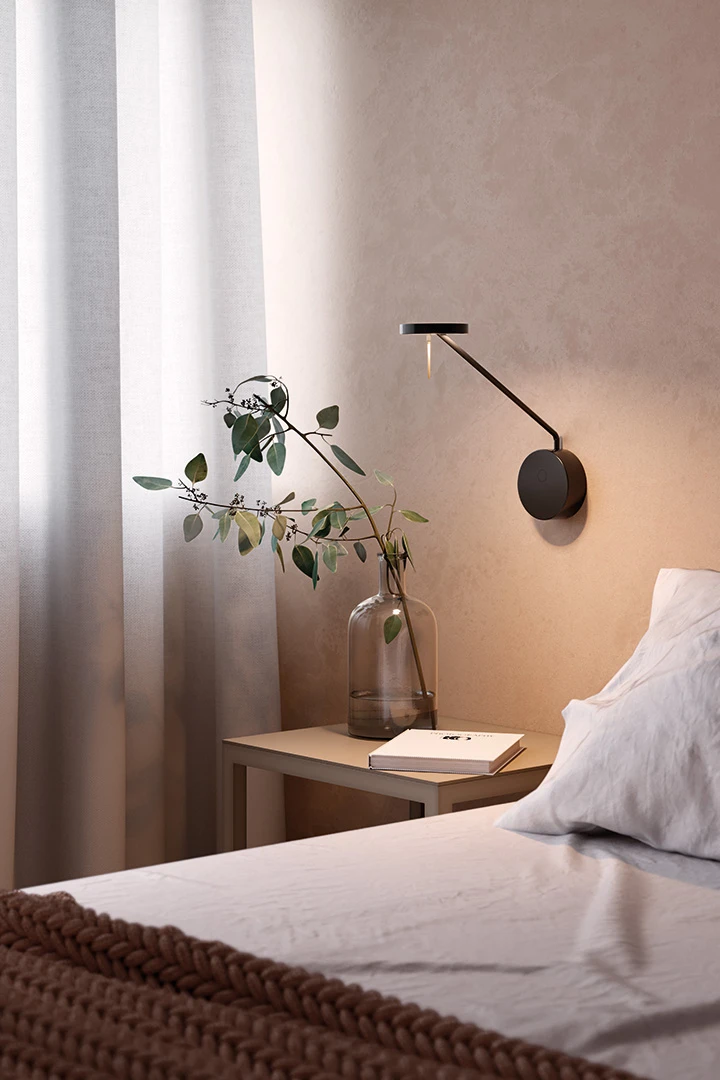
The goal is to maintain a visually clean environment, avoiding overly decorative fixtures that could disrupt the balance of the space.
Japandi style bedroom
Japandi style combines Nordic minimalism with Japanese sensitivity, with a strong focus on natural materials.
These bedrooms often feature light wood, natural fabrics, and warm, relaxing palettes. The ideal lighting for these spaces is soft and enveloping.
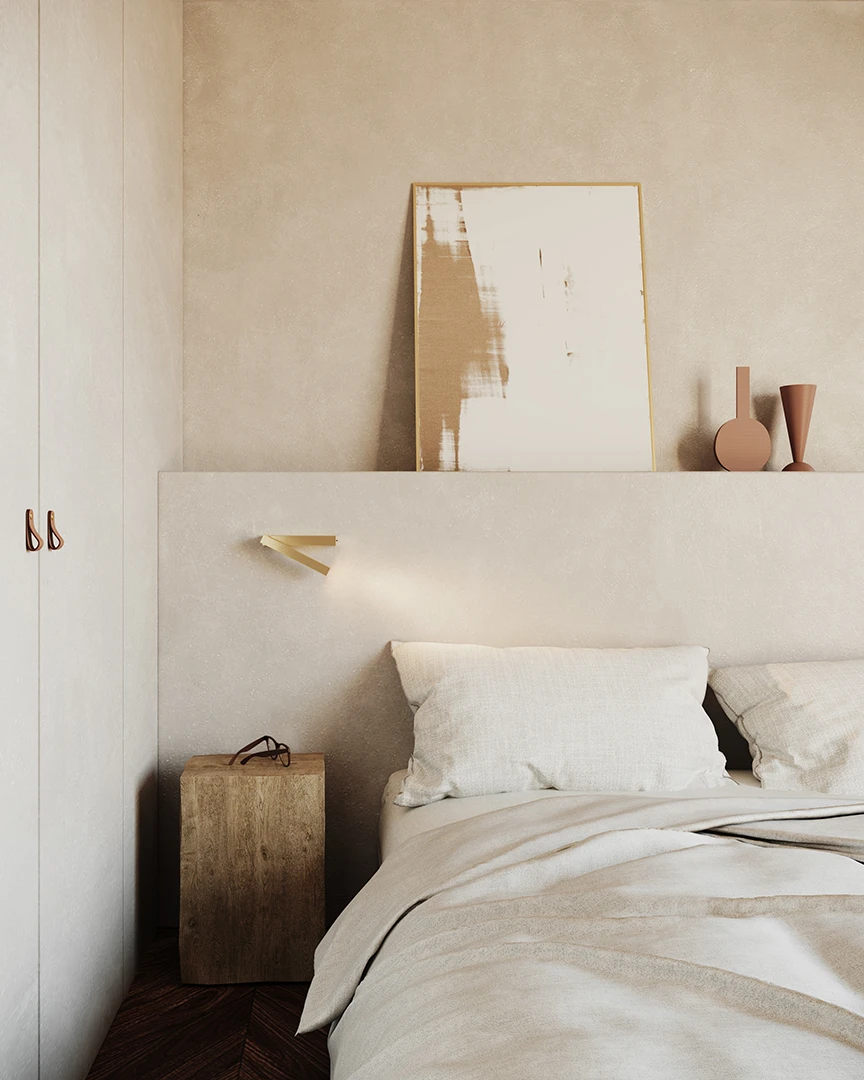
Suspension lamps with opal diffusers, screened wall lamps, and hidden indirect lighting work particularly well because they avoid glare and gently accompany the surfaces.
A small soft suspension light or a warm floor lamp can become the focal point of the room without feeling intrusive.
Elegant contemporary bedroom
Contemporary elegant bedrooms often include richer materials, such as textured walls, refined fabrics, and sophisticated details.
In these spaces, lighting can take on a more scenographic role.
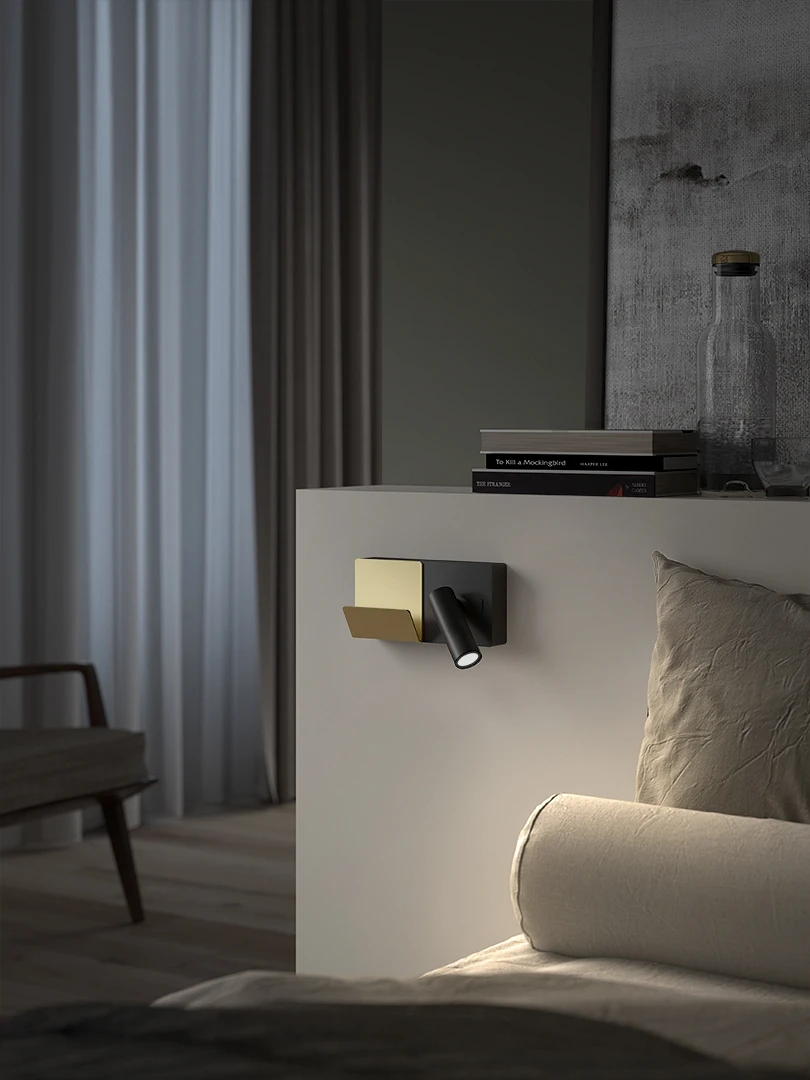
A statementchandelier above the bed or in the center of the room can become the main feature, while grazing lighting on a wall finished in stone, fabric, or paneling adds depth and three-dimensionality.
Even here, balance is essential: decorative lighting must be supported by a well-designed diffused lighting base to maintain comfort.
A note on hotel bedroom lighting
Many residential lighting projects today take inspiration from hospitality design.
Contemporary hotel rooms are designed to offer immediate comfort and great lighting flexibility. Often we find indirect lighting behind the headboard, light pendant lamps instead of bedside lamps, integrated lighting in wardrobes, and above all several adjustable lighting scenarios.
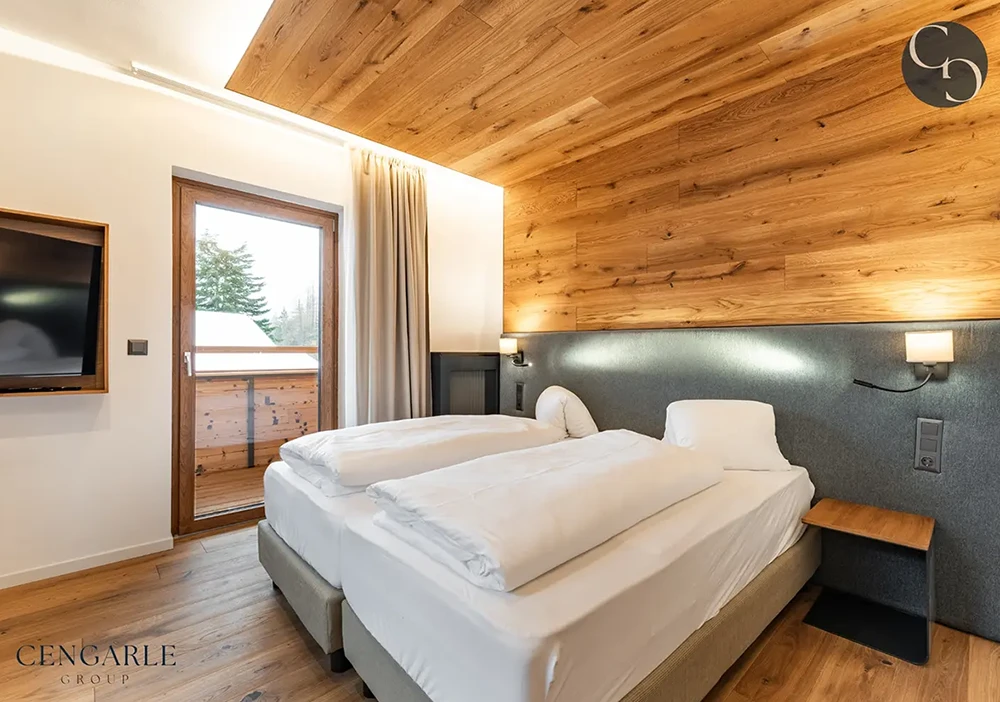
This approach allows guests to adapt lighting to their needs, creating an environment that is both relaxing and functional.
For hotels, it is essential to create bedrooms that can adapt to the needs of different guests with varying preferences and requirements. Dimmable lighting solutions allow spaces to be created that suit everyone’s needs.
Final Thoughts
Modern bedroom lamps are not simply decorative objects chosen according to style. They are design tools that directly influence comfort and the perception of space.
True modernity does not lie in the shape of the lamp, but in the ability of light to integrate with architecture and accompany the different moments of the day.
A well-designed bedroom is not simply illuminated; it is designed to make the people who live in it feel good.