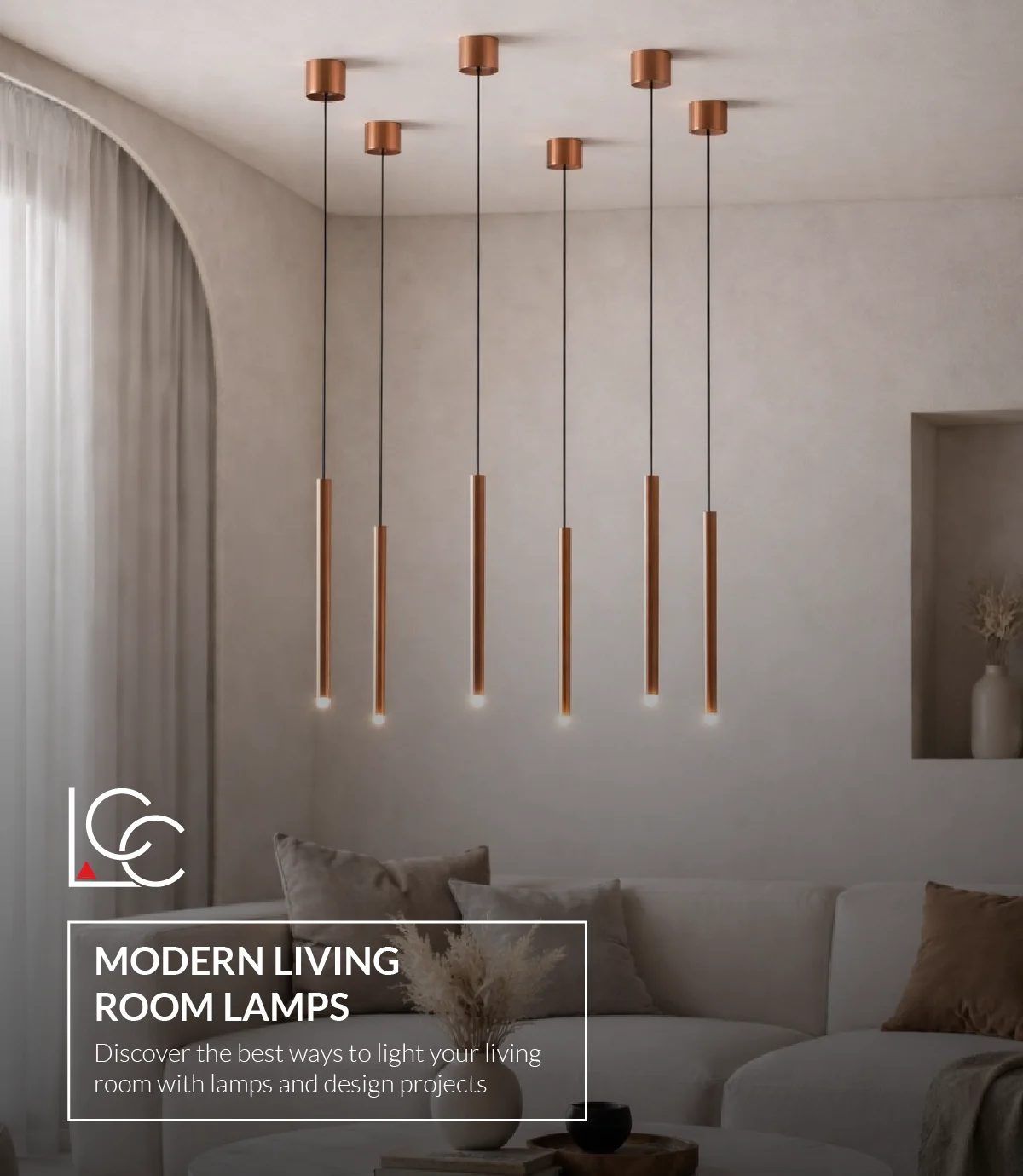
Not just modern lamps for the living room: how to build a balanced lighting foundation
The first step to properly lighting a living room is creating general lighting that makes the space pleasant and evenly lit, especially in the evening when natural light disappears.
One of the most useful solutions is indirect lighting integrated into false ceilings or cornices through the use of LED profiles.
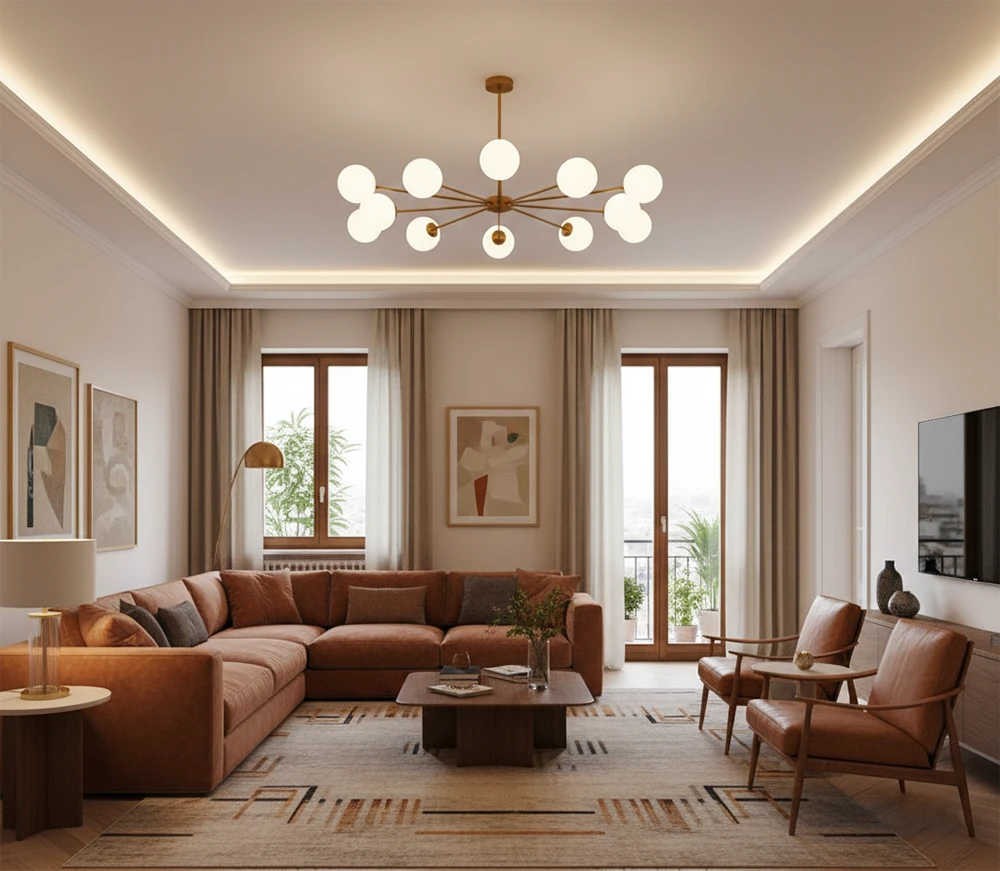
The LED source is hidden so that the light reflects off the ceiling, creating soft and enveloping illumination. This solution avoids glare, prevents harsh shadows, and immediately makes the space feel more welcoming.
In more contemporary interiors, linear LED profiles can create interesting architectural designs: luminous lines that follow the perimeter of the room or cross the ceiling above the sofa area. It is a clean solution that perfectly matches a modern and minimalist style.
Once this lighting foundation has been created, attention can move to the details.
Modern living room lamps: how to give direction to light
To properly light a living room, it is also important to understand where greater light intensity is needed.
A bookcase, the TV area, a textured wall, or a painting are all elements that can be enhanced with recessed spotlights or track lighting with adjustable beams. Directing the light helps create visual depth, avoiding a flat effect where everything is illuminated in the same way.
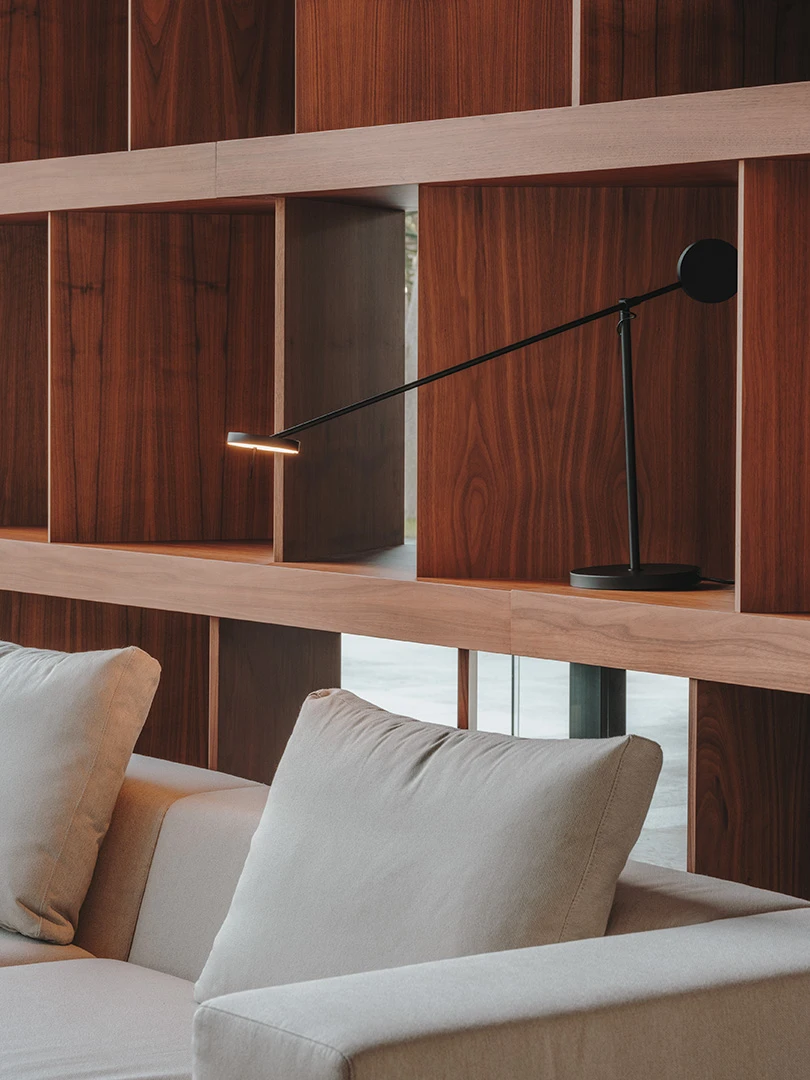
In very large living rooms or open-plan spaces, the use of Led tension wire lighting systems can be a very interesting solution: they cross the space with discretion and lightness, distributing light along a continuous line.
There are also more discreet but very refined solutions, such as recessed floor spotlights with a narrow beam. Installed near doors or glass walls, they help create a more scenic atmosphere in the evening while remaining almost invisible during the day.
All these elements transform a living room from being “simply lit” to “truly designed.”
Modern living room lamps: three environments and three different lighting approaches
Choosing a modern lamp for the living room varies greatly depending on the style of the space. It is not just an aesthetic matter, but a question of coherence between lighting, materials, and proportions.
Below are three examples of living rooms with different design styles and suitable lighting ideas.
Contemporary minimalist living room
In a contemporary minimalist living room, you will typically find clean lines, neutral palettes, and essential furnishings.
In these spaces, lighting must be orderly and precise. Recessed LED profiles or perimeter indirect lighting work very well because they enhance the room's geometry without visually weighing down the space. If spotlights are used, they should be carefully aligned to avoid visual clutter.
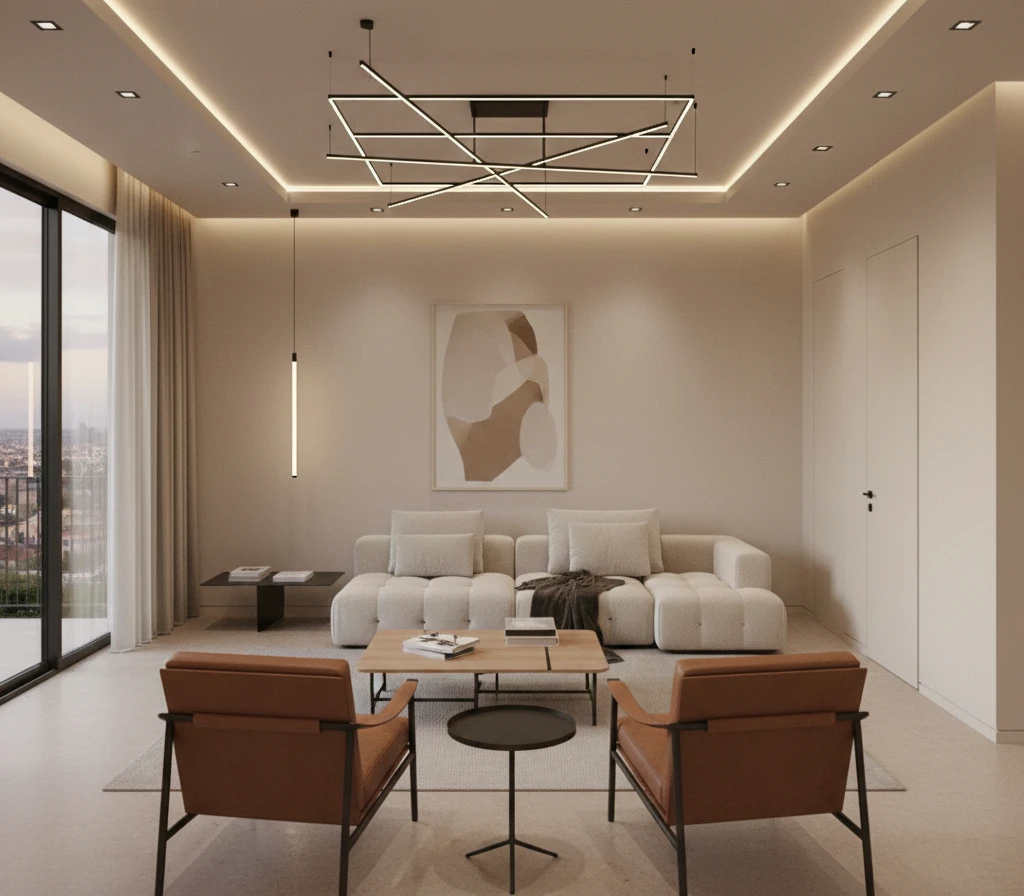
If a lamp is desired above the sofa area, the ideal solution would be a ceiling light or a pendant lamp that matches the minimalist language of the space.
If the room is small, an indirect lighting base combined with a few targeted light points is often much more effective than an overly dominant decorative lamp.
Japandi: the evolved Nordic style
Living rooms designed in this style feature natural materials, light wood, soft textiles, and warm tones.
In these settings, lighting should be soft and enveloping. The use of opal diffusers, shielded light sources, and hidden indirect lighting systems is ideal to avoid glare.
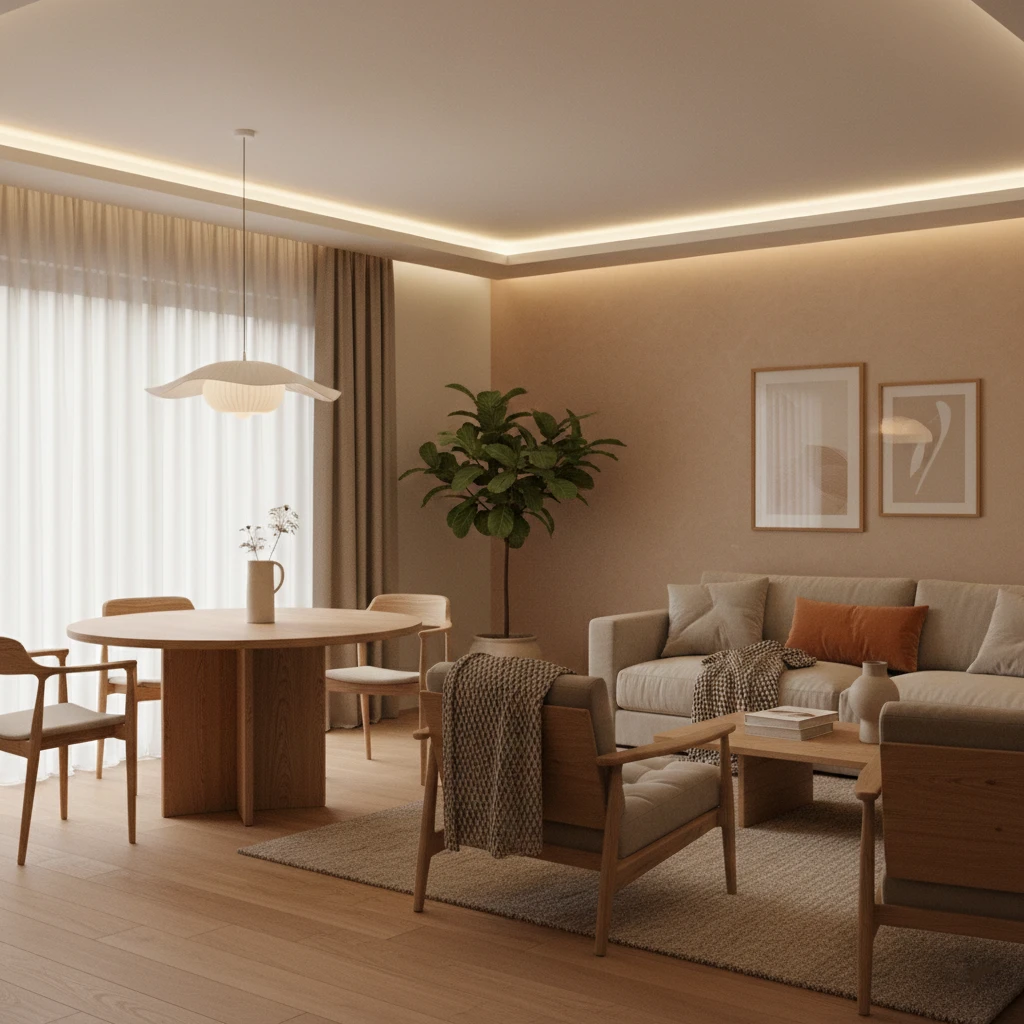
This evolved Nordic aesthetic seeks serenity. For this reason, choosing a soft pendant lamp above the dining table (in the case of an open space), combined with indirect perimeter lighting, creates a cozy and relaxed atmosphere. The ability to adjust light intensity is particularly useful for adapting the space to different moments of the day.
In living rooms with this style, lighting should not create strong contrasts but rather accompany surfaces and enhance natural materials.
Elegant contemporary living room
Elegant contemporary living rooms are characterized by refined finishes, textured walls, and sophisticated details.
These are environments where lighting can take on a more decorative and scenic role.
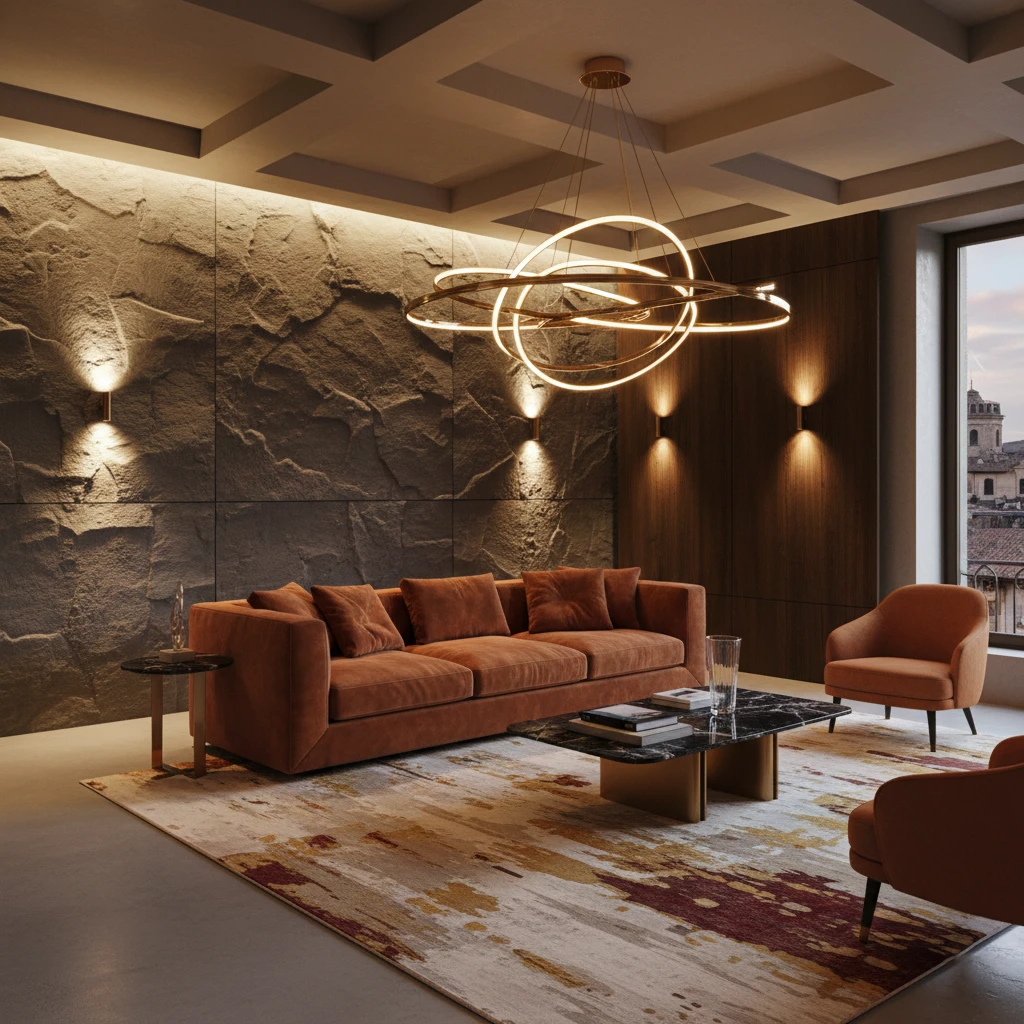
A sculptural chandelier above the sofa area can become the true focal point of the room, while grazing lighting on a stone or wood wall adds depth and three-dimensionality to the space.
However, balance must always remain at the center of the project: technical lighting and decorative lighting should work in harmony. The diffuse lighting base should support the decorative element, preventing the overall effect from becoming excessive.
Modern living room lamps: some LuceControCorrente products
The living room is the beating heart of the home, the place where relaxation meets conviviality. To illuminate it properly, LuceControCorrente offers solutions that go beyond simple functionality, transforming light into a true emotional design element.
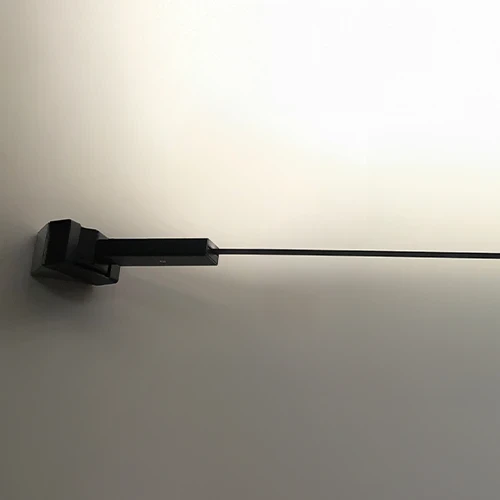
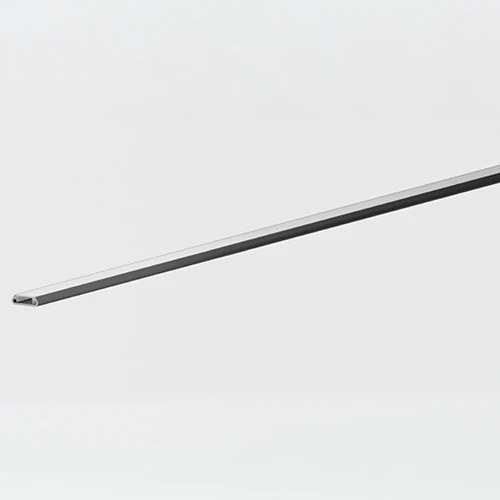
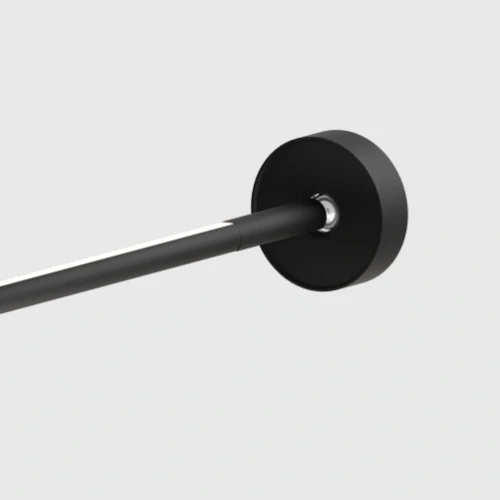
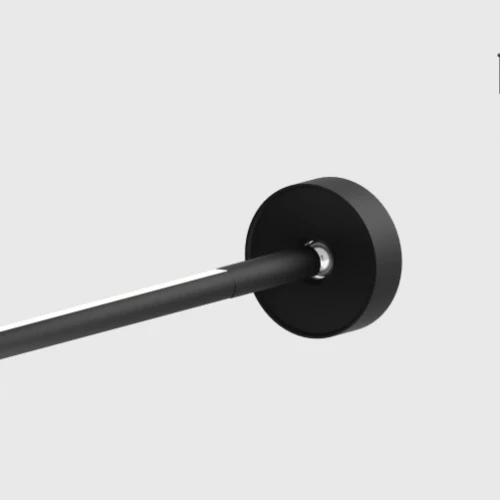
Our modern lamps are designed to create dynamic atmospheres that adapt to every moment of the day.
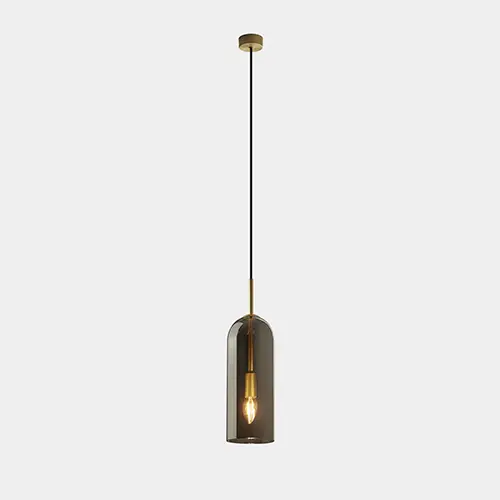
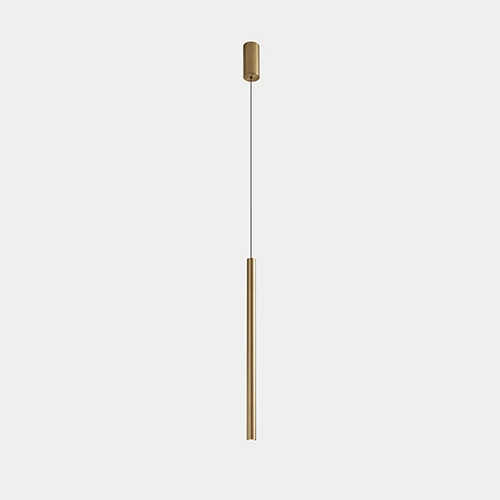
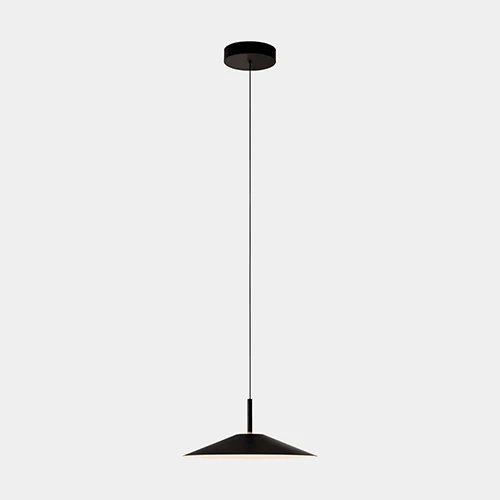
Among our most popular proposals we can find pendant lamps, ideal for dominating the living area or the dining table with a sculptural design that captures attention.

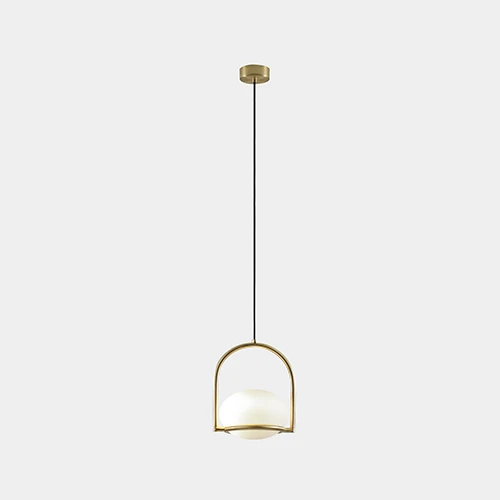

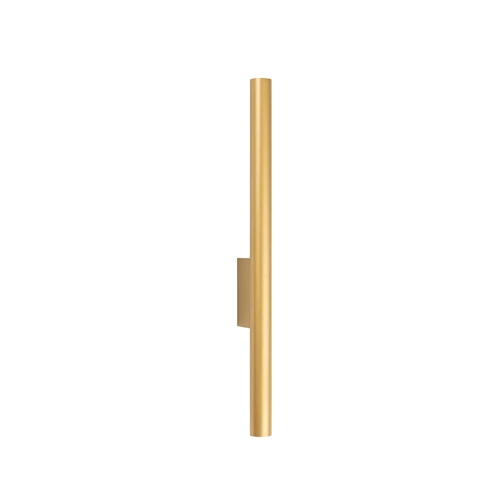
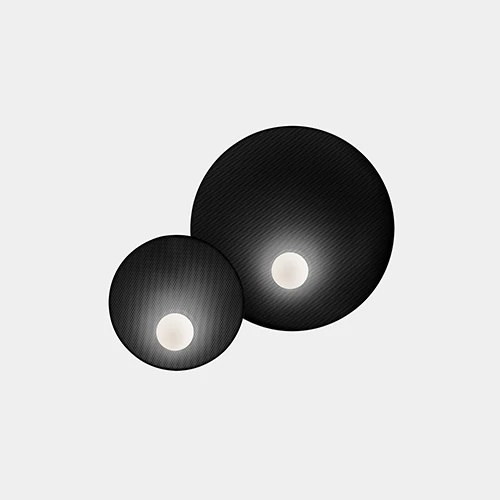
For those looking for decorative lighting and accent light points, wall lamps are an essential addition.

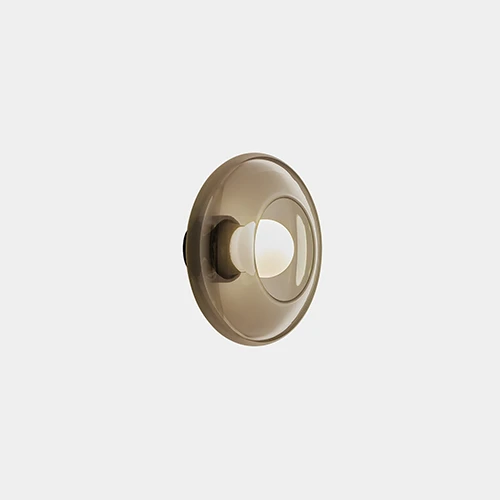
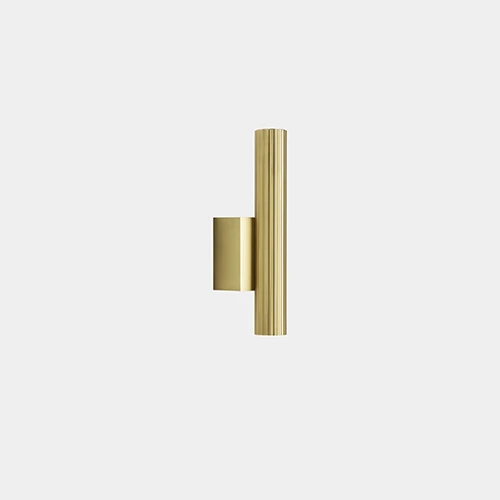
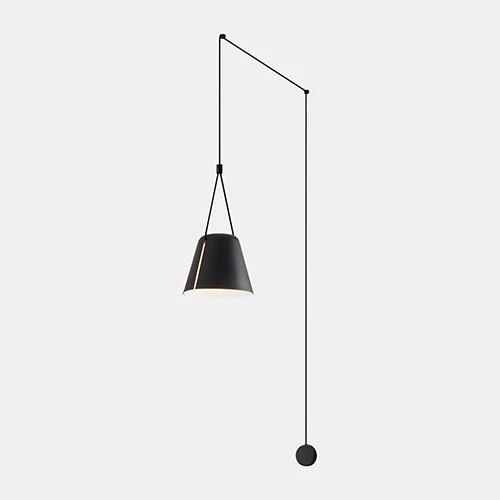
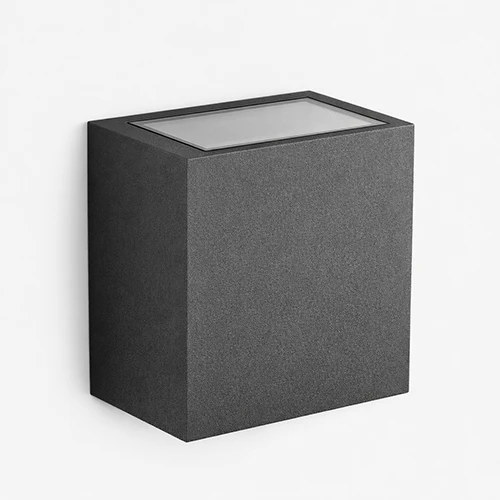
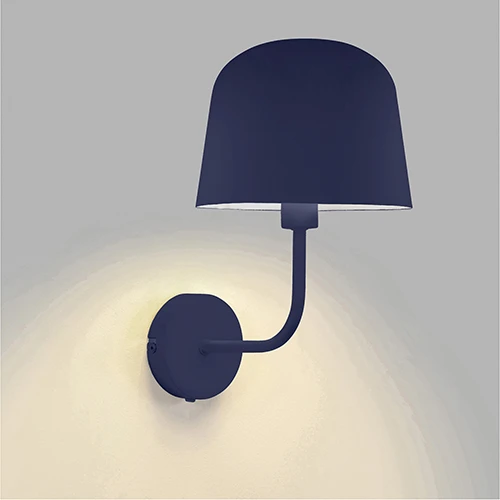
If you are searching for a touch of warmth for your reading corners, our floor lamps offer the perfect balance between minimalist aesthetics and advanced LED technology, ensuring exceptional visual comfort.
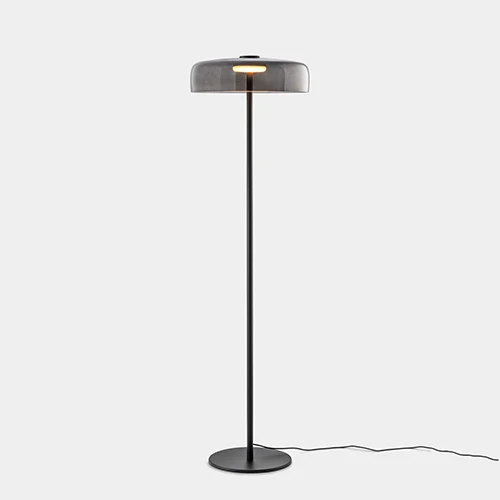
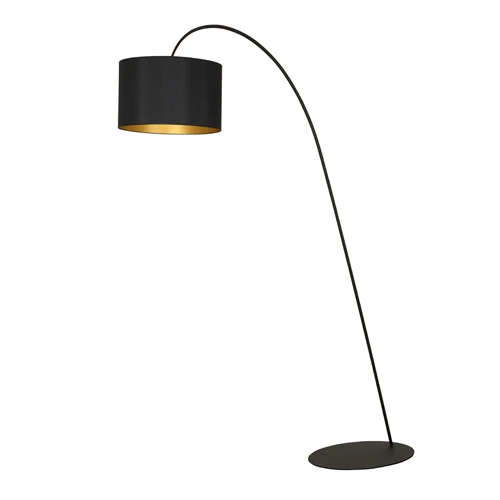
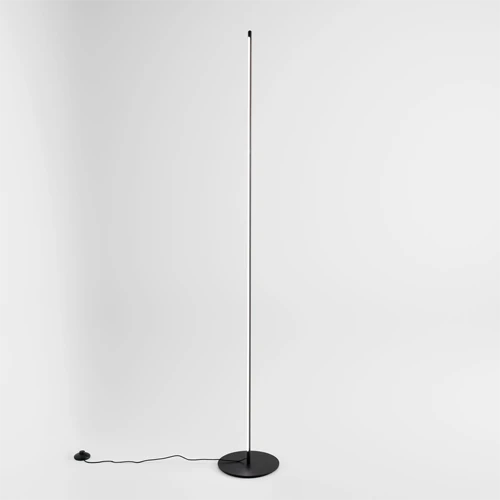
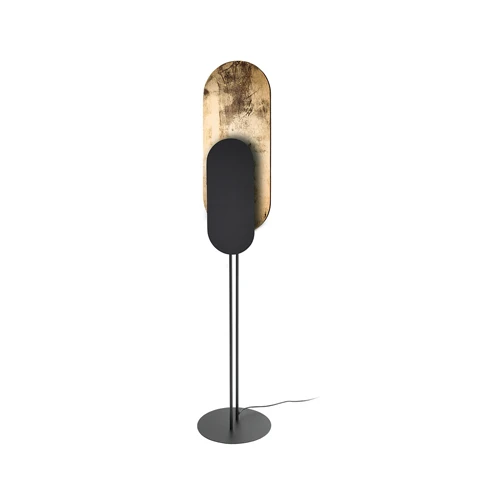
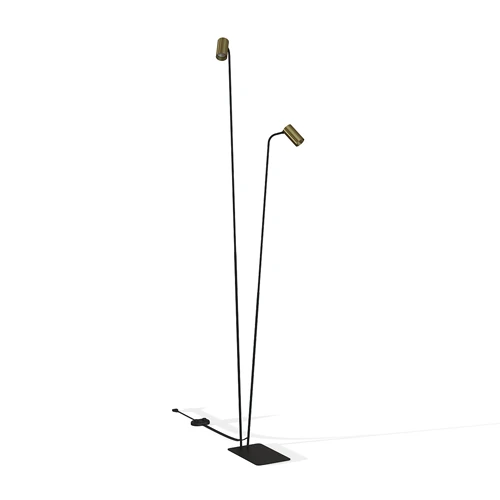
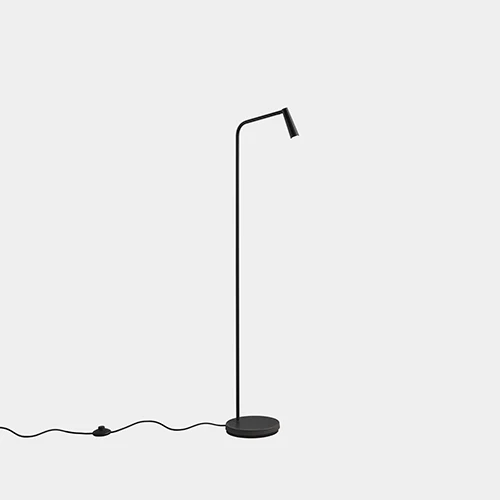
Every LuceControCorrente product is the result of meticulous research into materials and forms. Whether it is wall sconces designed to enhance walls or table lamps used to create soft points of light, our mission is to enhance the architecture of your spaces.
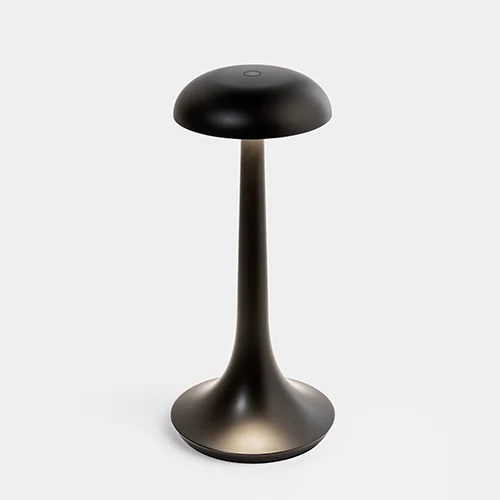
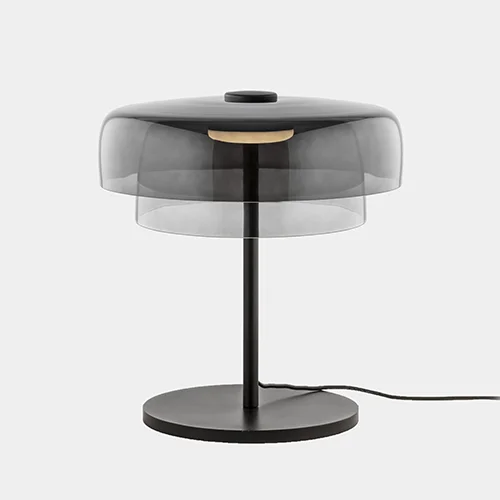
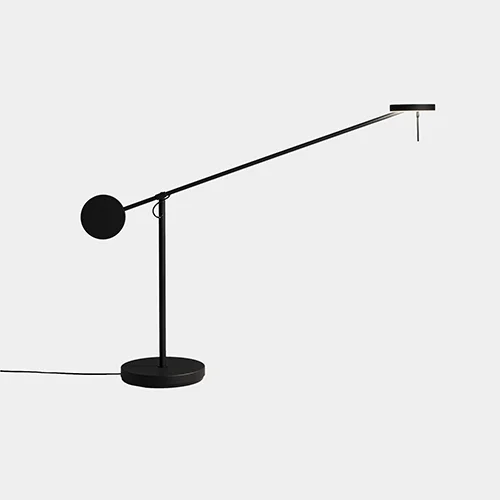
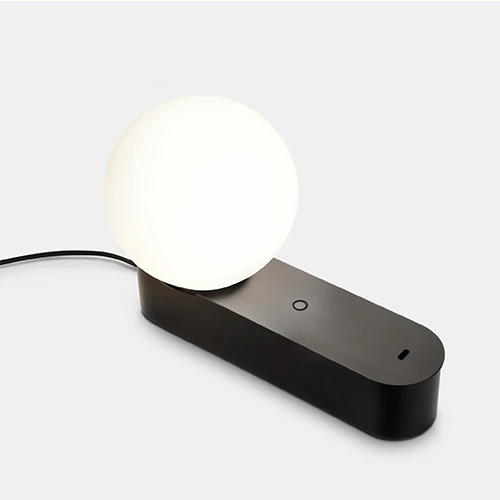
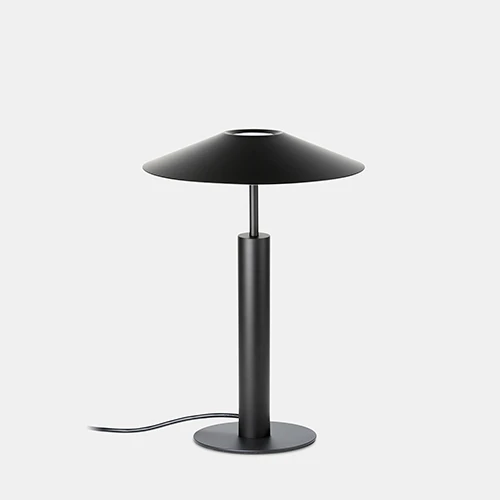
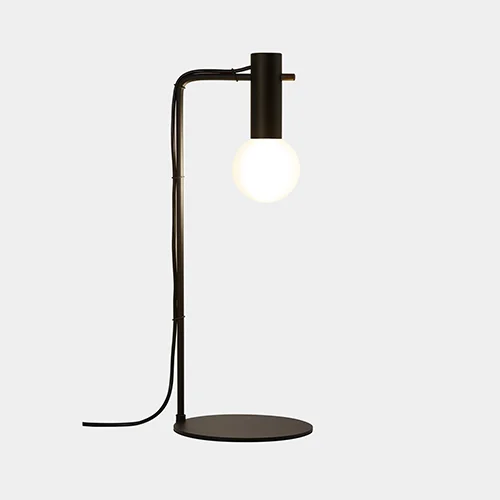
Choosing LuceControCorrente means opting for designer lighting that reflects your personality, transforming your living room into a unique, welcoming, and deeply modern environment.
Final thoughts
Modern lamps for the living room are not simply design objects chosen based on style. They are the tool through which a space truly takes shape in the evening.
When lighting is carefully designed, balanced, and consistent with the environment, the living room appears more harmonious, deeper, and more welcoming. Materials gain character and the atmosphere naturally evolves throughout the day.
Designing the lighting of a modern living room from the earliest stages allows technical lighting and decorative lamps to be properly integrated, avoiding improvised or unbalanced solutions.
True modernity does not lie in the shape of the lamp, but in the ability of light to integrate with architecture.
A living room works when indirect lighting, directional light points, and decorative elements work together in balance, without overlapping.