Why do people think a lighting designer costs too much?
Lighting is often dealt with when many decisions about the project have already been made.
The layout of the rooms, the systems, the false ceilings, the furnishings and the finishes are all defined first. Only in the final stages does anyone start to consider which lamps to buy and where to place them.
In this way, lighting design gets confused with the simple selection of light fittings. If you believe the result depends only on choosing a few lamps, the cost of a lighting designer can seem hard to justify.
In reality, a lighting design project includes many assessments that come before choosing the product. It means analyzing the architecture, the functions and the materials, understanding the activities that take place in each room, defining lighting hierarchies and evaluating the quantity, distribution and quality of light.
To these analyses are added the positioning of the light points, coordination with furnishings and systems, the choice of optics and color temperatures, the definition of switching zones and lighting scenes and, when necessary, the development of integrated or custom-made elements.
The value of a lighting designer therefore does not lie in the number of fixtures included in a project. It lies in the ability to connect light, space, people and technical aspects within a single system.
How much can it cost not to design the lighting properly?
The cost of design is visible and easy to identify. The costs of missing or late lighting design are much less immediate.
They often emerge only during construction or once the rooms are already finished.
An electrical outlet planned in the center of a room can end up off-center from the table once the actual position of the furniture is set. A pendant chosen only for its looks can have proportions that don’t suit the room or fail to light the surface below properly. A spotlight with the wrong optics can cause glare, create unwanted shadows or leave some areas poorly lit.
The same problem can affect a linear system installed in a cove that is too narrow or too shallow. The light source may remain visible, the beam may not reach the surface properly, or there may not be enough space for installation and maintenance.
When these problems are discovered at an advanced stage of the works, fixing them can mean moving electrical points, reopening walls or false ceilings, altering furniture and structures, restoring finishes that were already completed or replacing products that were already purchased.
Even a seemingly simple change can involve several professionals, slow down the construction schedule and produce a less polished result than a solution coordinated from the start.
Lighting consultancy does not eliminate every possible surprise, but it reduces the risk of having to fix, later on, decisions that could have been made earlier.
A lighting designer helps you make better use of your budget: it doesn’t mean buying more lamps
Hiring a lighting designer does not mean increasing your lighting budget, because a lighting designer will know how to recommend the best solution to stay within budget and meet the needs of each project.
Every project has different resources, priorities and needs. The job of design is to identify which aspects need the most attention and where, instead, simpler solutions can be used.
In a home, for example, you can decide to invest more in the main rooms, enhancing the living room, the kitchen or certain architectural features, and use simpler fixtures in utility spaces.
In a restaurant, the budget can be focused on the light over the tables, the overall atmosphere and the enhancement of distinctive materials or walls, keeping mainly functional solutions in the working areas.
In a retail space, on the other hand, the priority may be to ensure products are perceived correctly and to build a visual hierarchy that guides customers along their route.
A lighting design project makes it possible to tell what is necessary from what is optional. It also lets you compare different solutions, assessing where to use a standard product and where it may be worth developing a custom element.
A limited budget does not make design less important. On the contrary, it makes it even more necessary to set priorities and avoid ineffective investments.
A lighting designer does not remove financial limits, but takes them into account from the start and turns them into one of the project’s parameters.
How much does a lighting designer really cost?
There is no single price that applies to every lighting project.
The cost of lighting consultancy depends on the size and number of rooms, the intended use, the architectural complexity and the level of detail required.
The number of drawings and documents to produce, the presence of integrated or custom solutions, the need for site visits and the support required during construction, installation and final adjustment also affect the cost.
Replacing a few fixtures in a finished room is different from designing all the lighting for a new home, a hotel or a contract space.
Before judging whether a lighting designer’s fee is high or low, you need to understand which activities are included in the service and what level of support the project requires.
How can you find out what a lighting design project with a LuceControCorrente lighting designer would cost?
It’s simple: fill in our configurator, uploading all the material for your project. Add photos of your home and the renderings or floor plans made by your architect or interior designer, and find out how much a lighting designer tailored to your needs costs. The configurator is completely free!
When is the right time to involve a lighting designer?
The best time is in the early stages of the project. Involving a lighting designer while the layout of the spaces, the furnishings and the systems are still being defined offers more opportunities for integration and reduces the need to adapt solutions later.
This is particularly important when the project includes light coves, false ceilings, integrated linear profiles, wall paneling, niches, backlighting, recessed systems, custom fixtures, or control and dimming systems.
This does not mean it is impossible to work on an existing space. In that case, the project must start from the constraints already in place, assessing which elements to keep, which to change and which effects can be achieved without overly invasive work.
The sooner lighting is addressed, the greater the design freedom.
Lighting designer: before and during construction
One of the main advantages of lighting design is the ability to coordinate lighting with the work of the other professionals.
The position of light fittings, profiles integrated into plasterboard, wall spotlights and drivers must be decided during the design phase and checked during the works on site.
Defining the lighting before the works begin makes it possible to share positions, heights, dimensions and installation methods. Moving a light point while the project is still on paper is very different from doing it once walls, ceilings and finishes are already completed.
A lighting designer supports you throughout the design phase before the works, as well as for the entire duration of construction.
Lighting design reduces energy consumption
Keeping energy consumption down does not depend only on using LED sources. Even an efficient source can be used badly, left on when it is not needed or oversized for the room.
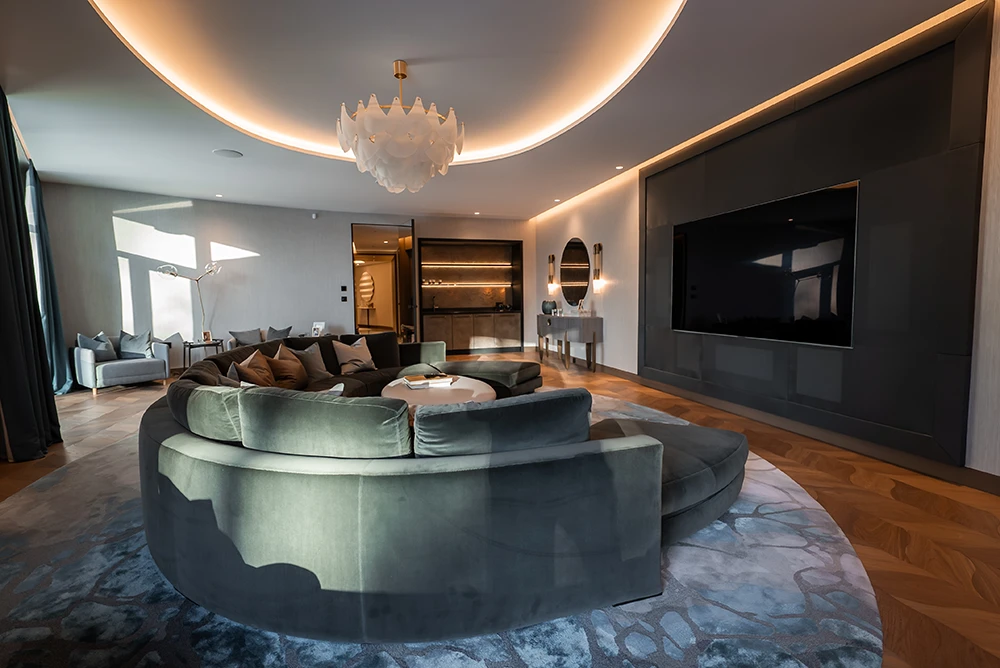
A lighting design project makes it possible to assess the power actually needed, the right number of fixtures and the efficiency of the sources. It allows you to organize switching, introduce dimming systems, create lighting scenes and divide rooms into zones that can be controlled separately.
Access to components and maintenance must also be considered. A driver hidden in a spot that cannot be inspected can turn a simple replacement into an invasive intervention.
Designing means thinking not only about the initial switch-on, but also about the future management of the system.
A well-designed project reduces the risk of having to replace solutions over time
Savings are not only about construction or energy use. They are also about how long decisions last.
A light fitting can work perfectly well technically yet turn out to be unsuitable because it causes glare, does not give enough light, alters colors or does not blend with the furnishings.
A properly designed solution is more likely to stay valid over time because it is chosen by considering function, light quality, position, performance, proportions, finishes, control methods and maintenance together.
Do I need a big budget to work with a lighting designer on a lighting design project?
Working with a lighting designer is not reserved exclusively for luxury projects or large-scale works.
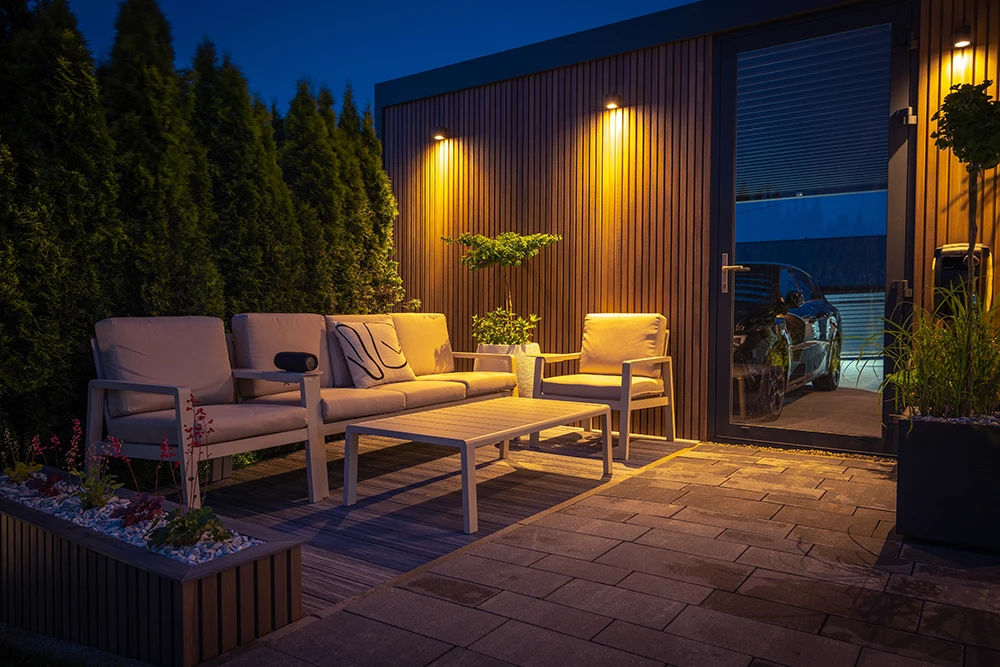
Every project requires a level of detail proportionate to its complexity. A private home, a small venue and a contract space do not have the same needs, but they can all benefit from the same principle: making informed decisions before buying and installing products.
Knowing the budget from the start makes it possible to develop realistic proposals, evaluate alternatives and concentrate resources on the most important elements.
In some cases it will make sense to choose standard products. In others it may be useful to set up a system today that will be completed later. In still others, a custom solution can meet several needs with a single element.
The value of a lighting designer does not lie in always proposing the most expensive solution, but in finding the one most consistent with the space, the goals and the available resources.
The LuceControCorrente method
At LuceControCorrente we develop lighting projects for interiors and exteriors, starting from an analysis of the architectural and functional context.
Our method connects design, production and installation.
In the first phase we gather information about the space, the materials, the functions, the furnishings, the needs of the people who will use it and the available budget. From this analysis comes the lighting concept, through which we define the effects, the hierarchies and the main lighting solutions.
The concept is then turned into a technical and detailed design, coordinating light points, systems, integration solutions and installation methods.
When a solution available on the market meets the needs of the project, we select the most suitable product. When, instead, the architecture calls for specific dimensions, geometries, materials or features, we can develop and produce a custom element.
The goal is not to add complexity, but to build a solution that is coherent, functional and achievable.
Is hiring a lighting designer a cost or an investment?
Hiring a lighting designer is one line in the project budget, but treating it only as an extra cost means not assessing its overall role.
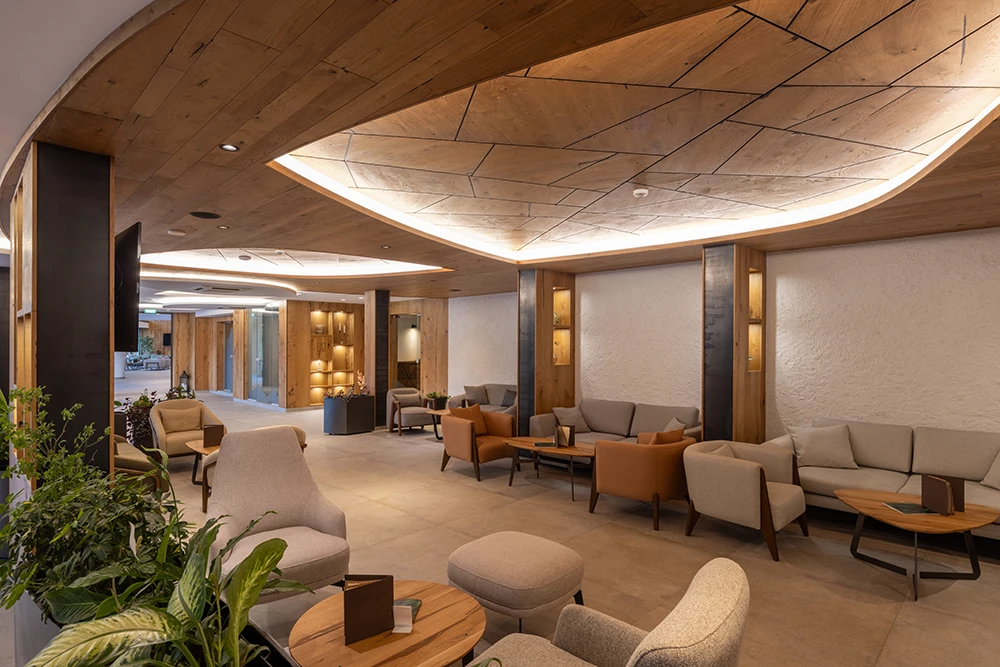
Proper lighting design can prevent mistakes, reduce changes on site, avoid unsuitable purchases and coordinate lighting with architecture, systems and furnishings.
It can also help set priorities, make better use of the budget, improve comfort and enhance materials and spaces. The result is a lighting system designed to meet real needs, not a simple sum of fixtures chosen separately.
The question, then, is not only “how much does a lighting designer cost?”, but also “how much could it cost to fix lighting that doesn’t work as it should later on?”.
Designing lighting does not necessarily mean spending more. It means knowing where, how and why to invest.
Once the value of design is clear, the next step is to understand how it works in practice. In the next article we will look at what you need to create a lighting design project, which information to gather and which phases turn an idea into a lighting solution that can be built.
Want to discover the value of having a lighting designer on your project, for free?
Proper lighting design can prevent mistakes, reduce changes on site, avoid unsuitable purchases and coordinate lighting with architecture, systems and furnishings.
Designing lighting means knowing where to allocate the budget, where to save and where it is worth investing to have a space that is truly yours.
Want to understand how lighting can fit into your space? And above all, want to find out how much a lighting design project for your space costs?
Fill in the configurator and tell us about your project: after analyzing the information we receive, within 72 hours we will send you a first lighting proposal to start developing the solution.